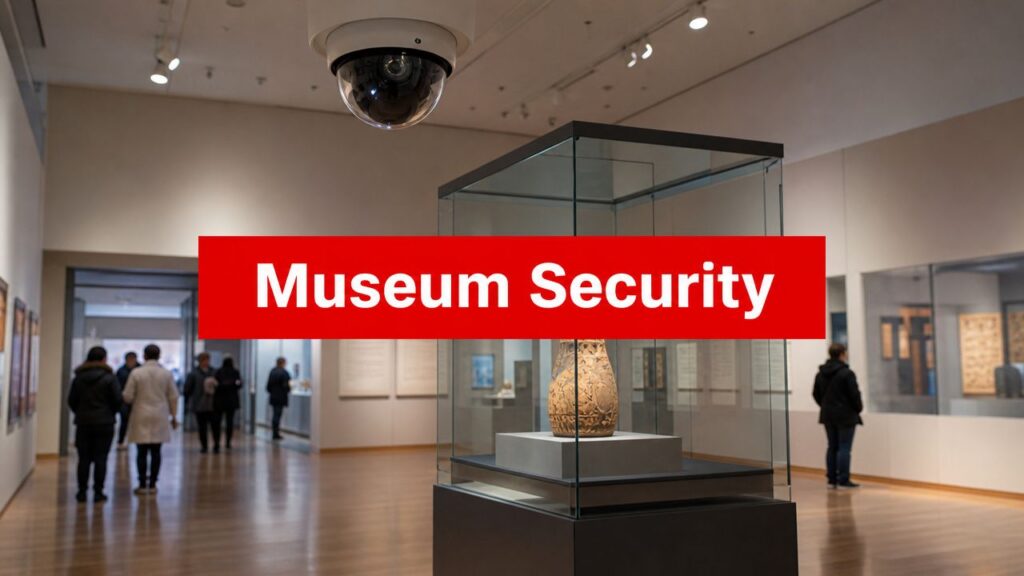
A museum facility manager usually inherits two jobs at once. One is obvious: keep the building open, safe, and functional. The other is heavier, even when nobody says it out loud. You're helping protect objects that can't be replaced, and you're doing it in a public space that has to remain welcoming.
That tension is what makes security in museums different from security in an office tower, warehouse, or retail center. The program has to protect collections, support staff, reassure lenders and insurers, and still let visitors move through galleries without feeling like they've entered a checkpoint.
The good news is that museum security isn't guesswork. There's a proven framework for it. Strong programs combine layers of physical protection, clear operating procedures, smart electronic systems, and well-trained officers who know how to intervene without disrupting the visitor experience.
Protecting More Than Objects Itself
If you oversee a museum, you're not only responsible for a facility. You're responsible for cultural memory housed in a real building with real doors, staffing limits, maintenance issues, and public traffic. That's why museum security works best when it's treated as an operations discipline, not a standalone guard contract.
The most practical way to think about it is layered security. Instead of asking, “What single system will protect us?” ask, “What sequence of barriers, controls, alerts, and responses will stop a problem from turning into a loss?” That question leads to better decisions.
A good program also respects preservation. Security measures shouldn't undermine conservation goals. If your collections team is focused on handling, storage, and protecting your art collection value, your security plan should support that work by controlling access, reducing unnecessary handling, and documenting movement.
What a facility manager actually needs
Most museum leaders don't need to become security specialists. They need a framework they can manage, budget, and explain to a board or executive team.
That framework usually includes:
- A site-based risk view: Not every gallery, entry point, loading area, or storage room carries the same exposure.
- Clear zones of control: Public, semi-restricted, and restricted spaces should be separated in ways staff can enforce.
- Daily-operational thinking: Sight lines, visitor flow, and officer positioning matter as much as locks and alarms.
- Design support: Applying Crime Prevention Through Environmental Design principles can help reduce blind spots, tighten circulation patterns, and improve natural supervision without making the museum feel defensive.
Practical rule: In museums, the strongest security programs are the ones that fit normal operations. If a procedure constantly fights the building or the visitor experience, staff will work around it.
The goal isn't to make the museum feel hard. The goal is to make it controlled, observable, and prepared.
Understanding Museum-Specific Risks and Threats
Many procurement decisions start from the wrong assumption. People picture a dramatic after-hours break-in, so they prioritize perimeter alarms and overnight patrols first. Those matter, but they don't describe the most common day-to-day exposure.
According to industry coverage citing a Smithsonian Institution report, nearly 90% of museum incidents involving damage or loss of artifacts are linked to visitor actions, whether accidental or intentional. The same coverage says most security incidents happen during normal operating hours, which shifts attention toward supervision, access control, and fast intervention while the museum is open (museum incident coverage and visitor-linked risk).
That single point changes how a facility manager should think about security in museums. The front door is not just an entrance. It's the start of your highest-exposure period.

The risks that show up in real operations
Most museums deal with a mix of issues that don't look dramatic until they happen:
- Accidental contact: A visitor leans too close, backs into a pedestal, sets a drink where it shouldn't be, or ignores a photography rule.
- Opportunistic removal: Small objects, brochures near unsecured items, or unattended secondary spaces can create openings for quick theft.
- Intentional damage: A person may touch, mark, strike, or attempt to deface an object during public hours.
- Restricted-area drift: Visitors sometimes follow staff through a door, enter a corridor they shouldn't, or test whether access rules are enforced.
These aren't hypothetical categories. They're the reason a museum needs active daytime security presence, not just a nighttime alarm panel.
What this means for staffing and layout
A facility manager should translate that risk picture into decisions on the floor.
A few examples:
| Exposure point | Weak approach | Better approach |
|---|---|---|
| Gallery entrances | One officer covering too many sight lines | Defined posts with visual ownership of specific spaces |
| Visitor circulation | Open drift into side corridors | Clear separation of public and staff routes |
| High-interest displays | Relying on signage alone | Physical stand-off distance plus active observation |
| Busy periods | Static staffing all day | Flexible deployment during peak traffic and events |
Most museum losses don't begin with a sophisticated attack. They begin with access, distraction, and delayed response.
When managers understand that pattern, budgets tend to shift in a healthier direction. Instead of overinvesting in one dramatic threat, they build for the incidents most likely to happen during an ordinary public day.
Building Your Layered Security Model
Museum security works best as a set of concentric layers. If one control fails, another should still slow the event, expose it, or contain it. That's the logic behind professional guidance for museums and galleries.
Guidance for museums and galleries recommends hardening the building shell, doors, windows, and exhibit cases so they can resist physical attack long enough for response forces to arrive. The underlying principle is delay. A determined intruder should never move from entry to object without meeting resistance (museum and gallery delay strategy guidance).

Start at the perimeter
The outer layer isn't glamorous, but it sets the tone for everything inside. Parking edges, service yards, delivery points, and public approaches should tell staff where a person should be and where they shouldn't.
At this layer, effective controls usually include:
- Visible deterrence: Signage, camera presence, lighting, and predictable patrol activity.
- Managed approach paths: Visitors should be guided toward intended entries, not allowed to test side routes.
- Service-area discipline: Loading and receiving zones need separate controls from public entrances.
If the perimeter is loose, the rest of the building has to work harder.
Harden the building envelope
The next ring is the shell itself. Doors, windows, roof access points, and any secondary opening need to match the museum's actual risk profile, not just code minimums.
What doesn't work is a mixed standard where the main entrance is tightly controlled but a side door, an older window assembly, or a shared service corridor remains easy to exploit. Museums often occupy architecturally significant buildings, and that can create uneven security conditions if upgrades are piecemeal.
A facility manager should ask a simple question here: Which opening gives the easiest path from outside to a sensitive area? That's usually where the upgrade list starts.
Control movement inside the building
Once inside, the museum should become more selective. Public areas stay open. Back-of-house, storage, conservation, registrar spaces, and staff-only corridors should not rely on custom or courtesy.
A practical interior zoning model looks like this:
- Public galleries with open access and active supervision.
- Transition spaces such as staff corridors, education rooms, and event support areas with limited access.
- Restricted rooms including storage, labs, and collection support spaces with formal authorization only.
This part often fails because institutions assume everyone knows where the line is. In practice, people test doors, follow badges, and move with confidence. If the boundary isn't physical and procedural, it isn't a boundary.
Protect the object itself
The innermost layer is the artifact, case, frame, mount, or pedestal.
Museums frequently err by either overdoing or underdoing security. Overdo it, and the display feels hostile. Underdo it, and a fast hand can create a major loss before anyone reacts.
A sound object-level posture usually combines:
- Stable display hardware: Proper mounts, secured vitrines, tamper-resistant fasteners.
- Stand-off distance: Enough separation to discourage touching and give staff reaction time.
- Visibility: Cases and displays should be easy to supervise from natural officer positions.
A museum doesn't need every layer to be heavy. It needs each layer to do a specific job: deter, delay, detect, or guide response.
That's what turns a collection of products into a real security model.
Integrating Smart Electronic Systems
Physical layers buy time. Electronic systems tell you what's happening inside that time window. That distinction matters because too many museums install cameras, alarms, and access readers as separate projects. The result is fragmented information and slow decisions.
Museum guidance recommends dual-mode detection, which pairs mechanical barriers with electronic systems such as alarms and cameras. At the object level, vibration, tilt, and RFID-based sensing can detect lifting or removal attempts in real time, giving staff a chance to interrupt a fast theft before it becomes a successful one (dual-mode museum detection and object sensors).

Treat technology as one operating system
The strongest setups connect systems so one event produces a usable picture. A forced door should trigger an alert, pull up the nearest camera view, identify the access point, and prompt a response workflow. A case tamper alarm should tell the control point exactly which object or zone is affected.
That's why a facility manager should think less about devices and more about integration logic.
A practical stack usually includes:
- CCTV and video review: For entrances, galleries, loading areas, and restricted corridors.
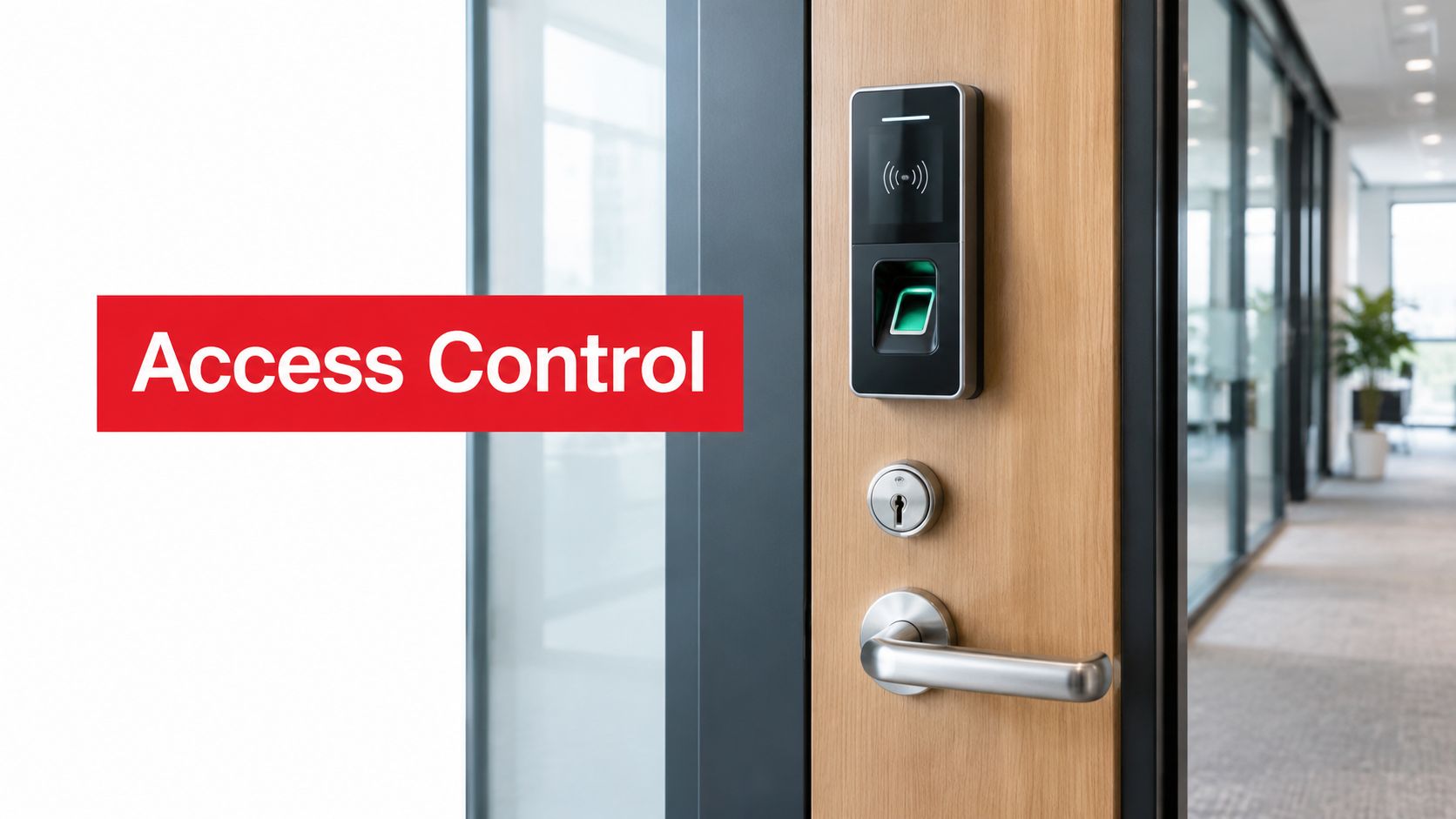
- Access control: To limit and log movement into non-public spaces.
- Intrusion detection: For doors, openings, and vulnerable after-hours zones.
- Object-level sensors: For high-value or high-risk displays.
- Environmental monitoring: To support preservation where climate conditions matter.
- Communications tools: Radios, headsets, dispatch workflows, and escalation paths.
What works and what doesn't
A camera by itself rarely prevents a museum incident. It helps when someone is assigned to review alerts, interpret behavior, and coordinate action.
Likewise, access control is valuable when permissions are current, doors are maintained, and reports are reviewed. If former staff credentials remain active, propped-door alarms are ignored, or shared cards become common, the system turns into a record of bad habits.
Here's a simple way to evaluate your technology posture:
| System | Common failure | Practical standard |
|---|---|---|
| CCTV | Broad coverage, weak response workflow | Cameras tied to active monitoring and incident review |
| Access control | Too many exceptions | Permissions based on role and promptly updated |
| Alarm points | Frequent nuisance alerts | Tuned zones with clear escalation rules |
| Object sensors | Installed only for loan exhibits | Deployed where removal risk justifies faster detection |
Central monitoring makes the system usable
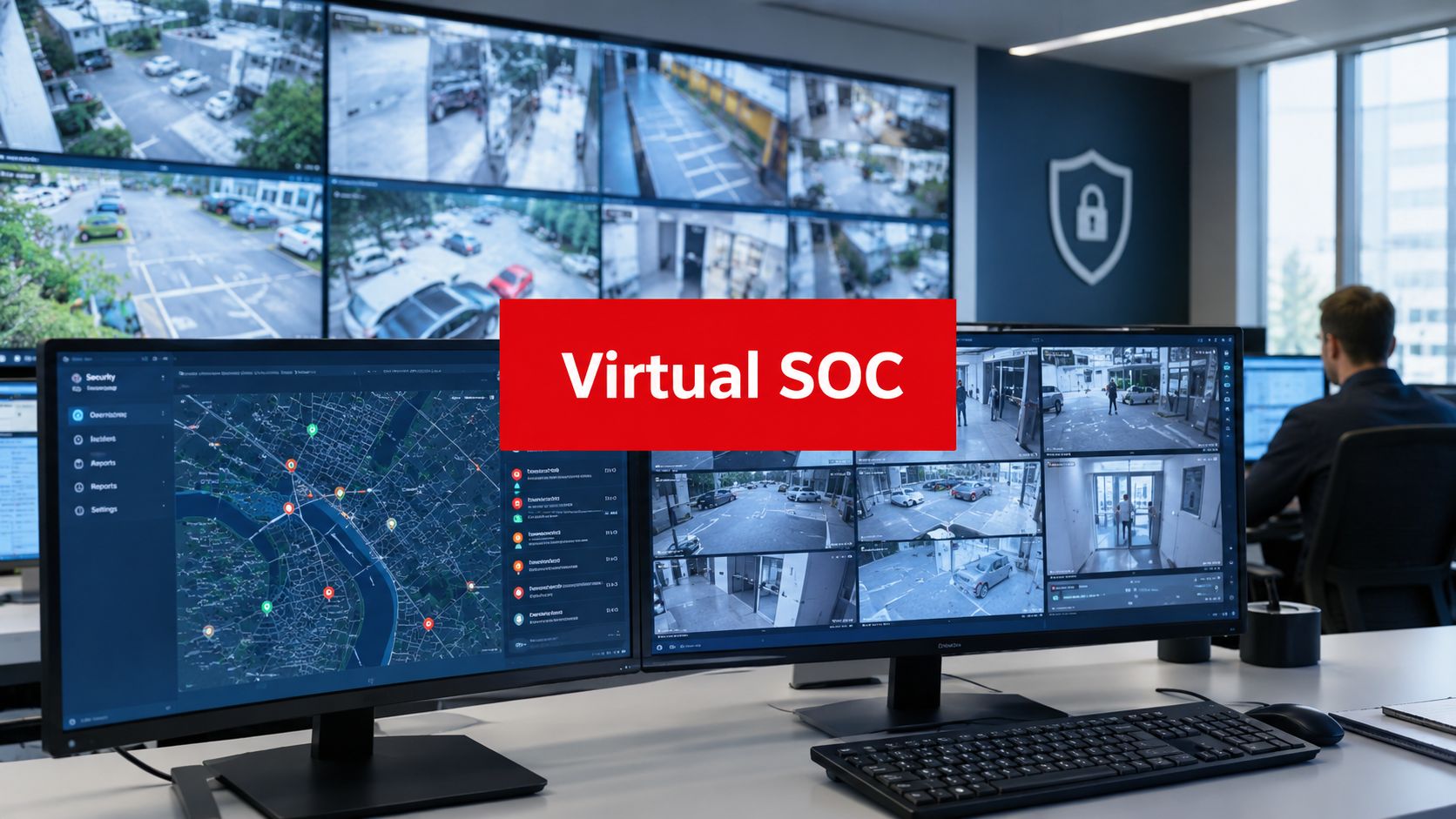
The operational gain comes when alerts feed to a central hub that can verify events, contact onsite staff, and document what happened. That can be an internal control room or an external monitoring model depending on the institution's size and hours.
One option museums sometimes use is an integrated security system tied to remote oversight, so camera events, alarm activity, and response communication live in the same workflow rather than in separate vendor silos.
Technology should reduce uncertainty. If an alert creates confusion instead of clarity, the system isn't integrated well enough.
That's the benchmark worth using when you review upgrades.
The Indispensable Human Element of Museum Security
A museum can have quality cameras, strong cases, and access-controlled doors and still underperform if the officers on the floor aren't trained, stable, and engaged. In day-to-day operations, people notice behavior, read a room, redirect visitors, and step in before a minor issue becomes an incident.
Industry guidance from ASIS notes that museum officers often combine protection with visitor service, and that a concierge model can improve the visitor experience and encourage repeat visitation. It also stresses that staff selection and training are part of an integrated risk strategy, not an optional add-on (ASIS guidance on concierge guarding in museums).

Why the old guard model falls short
The traditional “stand here and observe” model doesn't fit many museums. It creates a passive post, leaves officers underused, and often weakens the visitor experience. Visitors may ignore a distant officer who seems disengaged, and staff may hesitate to involve someone who doesn't appear integrated into operations.
A better museum officer does three things at once:
- Maintains presence: Visible enough to deter careless behavior.
- Provides assistance: Answers questions, gives direction, supports orderly visitor flow.
- Intervenes early: Corrects behavior before an object is touched, a boundary is crossed, or a disturbance grows.
That doesn't mean turning security into docent work. It means recognizing that an approachable, alert officer usually sees more than an isolated one.
Training should match the museum environment
Museum officers need a different preparation standard than officers assigned to a generic commercial post. They need to understand public behavior, de-escalation, reporting, restricted-area discipline, and how to protect fragile environments without overreacting.
Training should cover at least these areas:
- Visitor contact: How to redirect respectfully and clearly.
- Gallery awareness: How to watch hands, spacing, and movement patterns without staring down guests.
- Incident judgment: When to warn, when to call for support, when to preserve a scene.
- Artifact sensitivity: Why certain actions, even routine ones, can create risk near collections.
- Emergency coordination: How to support evacuation, medical aid, and law enforcement response.
A provider's security officer training programs tell you a lot about the service you'll receive once the contract starts.
Stability matters more than most buyers realize
When officer turnover is high, museums lose site knowledge. New personnel won't know the difference between normal visitor curiosity and behavior that deserves attention. They won't know which gallery creates line-of-sight problems during school-group hours or which service door tends to be left unsecured during exhibit work.
That's why retaining professional officers matters. In practice, stable staffing produces better judgment, more consistent reporting, smoother interactions with museum staff, and fewer avoidable gaps.
The officer who knows your building, your people, and your routines is part of the protection system, not just the labor line on the invoice.
For many museums, that human layer is the difference between security that merely exists and security that is effective.
Developing Robust Policies and Emergency Plans
Hardware is the visible side of museum security. Policies are the operating logic behind it. If the team doesn't know who can access which room, how keys are issued, what to do after an object alarm, or who leads an evacuation, the system will break down under pressure.
The U.S. National Park Service emphasizes that collections are at risk when essential procedural elements such as risk assessment, access and key control, documentation, and staffing plans are absent or poorly implemented. That's a strong reminder that security in museums depends as much on written process as on locks and electronics (National Park Service museum security guidance).
Policies every museum should have in working form
A useful policy set isn't theoretical. It should guide actual decisions on a normal day and during an abnormal one.
Focus on these core documents:
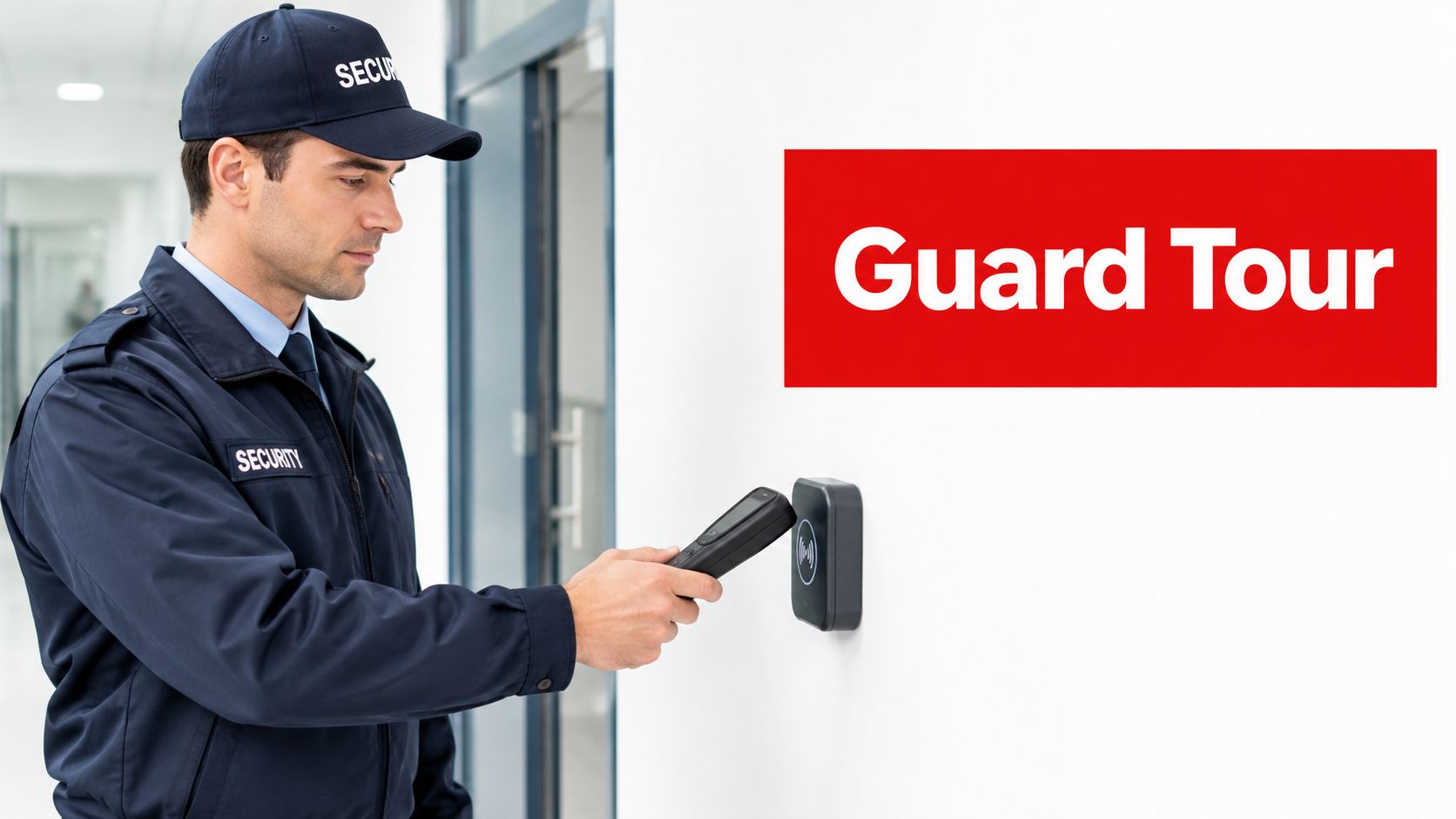
- Post orders: What each officer is responsible for, by location and shift.
- Access and key control rules: Who can enter restricted areas, how access is granted, and how it is revoked.
- Incident response procedures: Steps for theft, vandalism, medical events, disruptive behavior, and suspicious packages.
- Evacuation and shelter procedures: Routes, authority lines, and coordination with museum staff.
- Artifact handling and movement protocols: Especially for temporary installs, loans, storage transfers, and vendor activity.
Don't forget records and recovery
Documentation is part of security. Incident reports, access logs, maintenance records, and camera retention practices all matter after an event. If digital records are corrupted, inaccessible, or lost during a system failure, the museum may struggle to investigate what happened or prove compliance.
That's one reason many institutions also think through continuity measures, including secure backups and, when necessary, outside data recovery services for damaged digital records or storage media.
Written procedures should answer one question fast: what does each person do in the first few minutes of an incident?
If a plan can't do that, it's not ready.
Choosing the Right Security Partner for Your Institution
By the time a museum goes to market for security services, the hardest part usually isn't writing the scope. It's deciding how to judge providers beyond hourly rate. A lower-cost proposal can look attractive on paper and still create real exposure if the officers aren't trained, supervision is thin, and reporting is inconsistent.
For a facility manager, the better approach is to evaluate whether the vendor can support the museum's operating reality.
Questions worth asking in the RFP process
Use questions that reveal how the provider runs its accounts:
- How long have they been operating? Experience doesn't solve everything, but it usually shows in supervision, escalation discipline, and staffing depth.
- How do they support officer retention? Museums benefit from stability, not revolving-door assignments.
- Who manages the account day to day? A low manager-to-client ratio usually means more site familiarity and faster corrective action.
- What reporting will you receive? Time-stamped activity logs, incident reports, photos, and patrol documentation make oversight much easier.
- Can they work with your systems? The provider should be comfortable operating within access control, CCTV, and visitor-service expectations already in place.
- How do they handle special conditions? Exhibit installations, VIP events, loans, school-group days, and after-hours vendor access all require flexibility.
Look for operational fit, not generic capability
A museum isn't just another post order. The right partner understands discretion, public-facing professionalism, and the need to support preservation without making the institution feel heavily policed.
If your team also manages outgoing loans or special exhibitions, practical secure art transport advice can help shape chain-of-custody discussions with vendors and internal staff alike.
Overton Security has 26 years of experience and operates across California with onsite guards, concierge-style officers, patrol support, remote monitoring, and SOC oversight. For a museum buyer, that matters less as a marketing point than as an operational question: can the provider supply trained people, clear accountability, and consistent supervision for a specialized environment?
If you're reviewing security in museums and need a practical second opinion on staffing, monitoring, or site procedures, contact Overton Security to discuss your facility's layout, operating hours, and risk profile.