
For any construction superintendent or facilities director, the day starts and ends with one critical question: Is my site secure and my team safe? The constant flow of contractors, high-value equipment, and unpredictable conditions can feel overwhelming. A reactive approach to safety isn't just a compliance risk; it's a direct threat to your project's timeline, budget, and the well-being of every person on site.
A robust construction site safety checklist is more than paperwork. It is a dynamic tool that shifts your safety culture from reactive to proactive, ensuring every potential hazard is identified and addressed before it becomes an incident. A comprehensive safety foundation also extends beyond the physical site, incorporating proactive digital measures like implementing clash detection and coordination during the design phase to prevent on-site hazards from ever materializing.
This guide provides a detailed, actionable checklist covering the most critical areas of modern construction site safety. We move beyond the basics to offer practical insights that protect your people and your investment. From Personal Protective Equipment (PPE) compliance to emergency response planning, these are the essential checks that build a foundation of operational excellence and lasting security.
1. Personal Protective Equipment (PPE) Compliance: The First Line of Defense
Personal Protective Equipment (PPE) is the essential, non-negotiable barrier between a worker and potential site hazards. A thorough construction site safety checklist begins here, verifying that every individual is equipped with the right gear before setting foot on the job site. This fundamental step mitigates risks from falling debris, airborne particles, loud machinery, and other common construction dangers.
Effective PPE compliance is more than just a box-ticking exercise; it’s a core component of a proactive safety culture. It involves ensuring that all equipment—from hard hats and steel-toed boots to high-visibility vests and hearing protection—is not only provided but is also properly fitted, maintained, and consistently worn.
Implementing a Robust PPE Program
A successful PPE strategy is built on consistency and clear communication. The goal is to make correct PPE use an automatic habit for every worker on site.
- Daily Pre-Shift Inspections: Conduct quick, mandatory checks before any work begins. This reinforces expectations and catches issues like damaged gear early.
- Comfort and Fit: Workers are far more likely to wear equipment that fits well and is comfortable. Invest in quality, modern PPE and offer various sizes to increase compliance.
- Lead by Example: Site managers and supervisors must adhere to the same PPE standards without exception. Leadership's commitment sets the tone for the entire crew.
- Clear Consequences: Implement a straightforward, fair policy for non-compliance. This ensures accountability while providing opportunities for correction.
This infographic highlights the significant impact that a structured PPE compliance program can have on overall site safety.
The data clearly demonstrates that diligent PPE management directly reduces injuries and violations, proving its value as a foundational safety measure.
2. Fall Protection Systems Inspection
Falls from height remain a leading cause of serious injury in the construction industry, making the inspection of fall protection systems a critical component of any construction site safety checklist. This involves a comprehensive examination of all equipment designed to prevent falls, including guardrails, safety nets, and personal fall arrest systems (PFAS). A proactive and meticulous approach ensures these life-saving systems are installed correctly, maintained properly, and fully functional before any work at height begins.
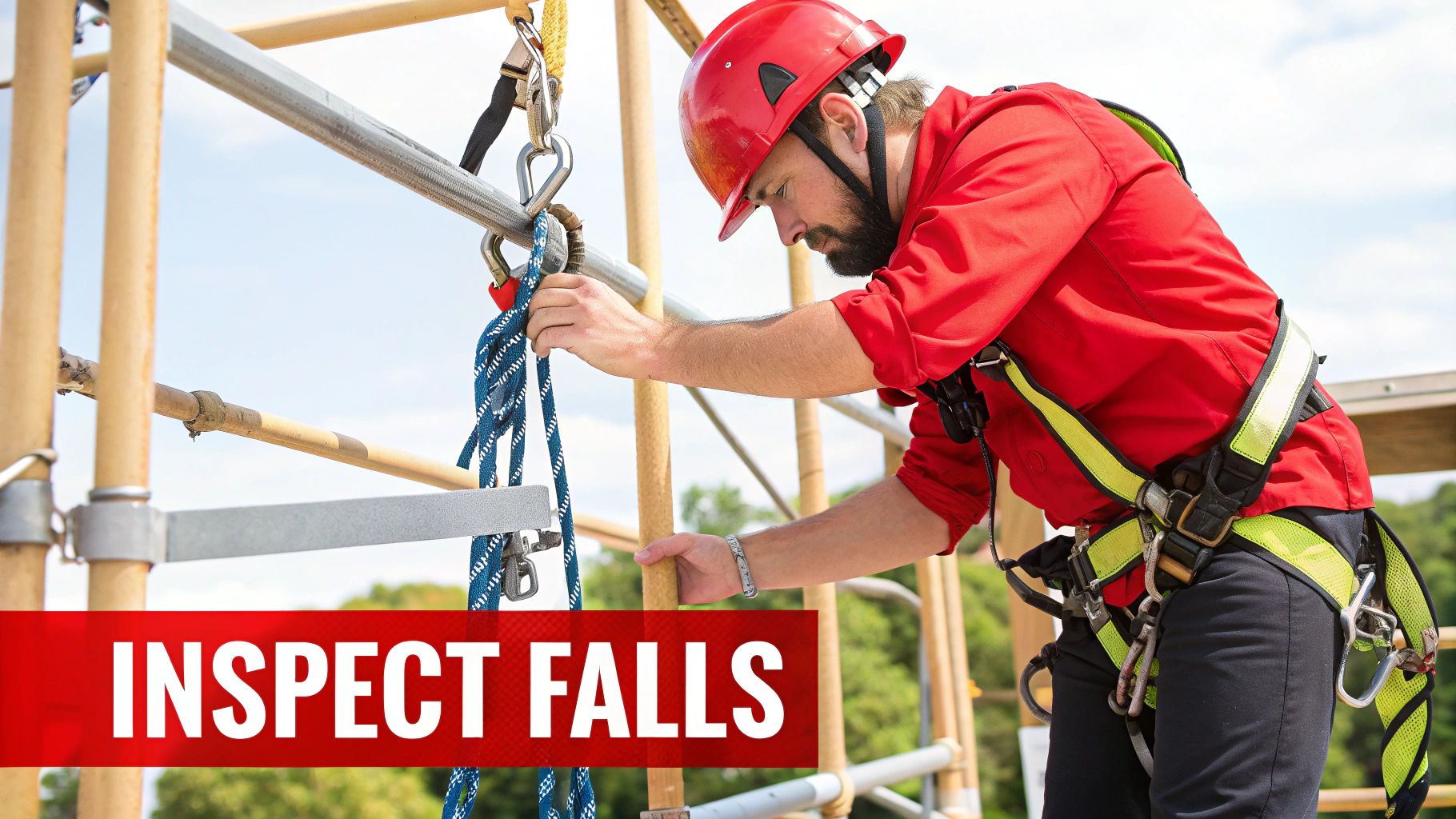
Effective fall protection management goes beyond simply having the equipment on site. It requires a systematic process of inspection, documentation, and training to cultivate a culture where working at height is treated with the seriousness it demands. Adopting rigorous standards, such as a 100% tie-off policy, demonstrably leads to safer outcomes.
Implementing a Robust Fall Protection Program
A successful fall protection strategy is built on vigilance, clear protocols, and accountability. The objective is to make safe practices and equipment checks an ingrained habit for every worker operating above ground level.
- 100% Tie-Off Policy: Mandate that any worker operating at a height of six feet or more must be tied off at all times. This non-negotiable rule eliminates ambiguity and significantly reduces fall risks.
- Qualified Inspector: All fall protection equipment must be inspected before each use by the worker and periodically by a designated "qualified person" with specialized training.
- Detailed Inspection Logs: Maintain clear, accessible records of all equipment inspections. This documentation is crucial for accountability, tracking equipment lifespan, and compliance audits.
- Immediate Equipment Replacement: Implement a strict policy to immediately remove any defective or damaged equipment from service. There is no room for compromise when a life is on the line.
- Develop Rescue Plans: A rescue plan must be in place and understood by all team members before any work using fall arrest systems begins. This ensures a swift and safe response in an emergency.
3. Hazard Communication and Chemical Safety
Hazard Communication, often called "HazCom," is the systematic process of identifying and communicating chemical risks present on a construction site. This critical component of any construction site safety checklist ensures every worker understands the dangers associated with substances like solvents, adhesives, and cleaning agents. By implementing a clear protocol based on OSHA's Hazard Communication Standard, sites can prevent chemical burns, respiratory issues, and other serious health problems.
A strong HazCom program moves beyond mere compliance; it fosters an environment of informed caution. It requires maintaining accessible Safety Data Sheets (SDS), ensuring all containers are properly labeled, and training workers to handle, store, and dispose of materials safely. This proactive approach is fundamental to protecting both personnel and the surrounding environment from potential contamination.
Implementing a Robust HazCom Program
An effective chemical safety strategy depends on clarity, accessibility, and consistent reinforcement. The objective is to empower every worker with the knowledge to handle hazardous materials confidently and safely.
- Maintain an Accessible SDS Library: Keep a digital or physical binder of Safety Data Sheets for every chemical on-site, ensuring information is instantly available to the team.
- Utilize Clear Labeling: Ensure every container is labeled according to the Globally Harmonized System (GHS), including pictograms and hazard statements. Using QR codes on labels can provide workers with quick, smartphone-based access to detailed SDS information.
- Conduct Regular Training: Schedule recurring training sessions on chemical safety, proper handling techniques, and emergency procedures. When working with a multilingual crew, ensure this critical training is provided in all necessary languages.
- Establish Segregation Protocols: Implement clear rules for storing chemicals, separating incompatibles like oxidizers and flammables to prevent dangerous reactions. Beyond identifying chemicals, a robust checklist includes procedures for managing hazardous waste on construction sites effectively.
4. Equipment and Machinery Safety Verification
Heavy equipment and machinery are the workhorses of any construction site, but they also represent one of the most significant sources of potential danger. A comprehensive construction site safety checklist must prioritize the verification of every piece of equipment, from excavators and cranes to forklifts and power tools. This process ensures all machinery is mechanically sound, properly maintained, and operated only by trained and certified personnel.
Effective equipment verification is a proactive measure that prevents catastrophic failures and protects everyone on site. It involves a systematic approach to inspections, maintenance logs, and operator competency checks. Properly managed equipment not only enhances safety but also improves operational efficiency and reduces costly downtime, making it a critical component of risk management.
Implementing a Robust Equipment Verification Program
A successful equipment safety strategy relies on routine, diligence, and clear accountability. The objective is to create a system where no machine operates unless it is confirmed to be in safe working condition.
- Mandatory Pre-Use Inspections: Require operators to complete a standardized digital checklist for their specific machine before every shift. This creates a documented record and catches issues like hydraulic leaks or worn-out brakes immediately.
- Implement Lockout/Tagout (LOTO): Establish strict LOTO procedures for any machinery undergoing maintenance or repair. This critical step prevents accidental start-ups and is a non-negotiable part of a safe site.
- Track Operator Certifications: Maintain a centralized, up-to-date database of all operator certifications and training records. This ensures only qualified individuals are assigned to specific machinery.
- Establish Clear Operational Zones: Use physical barriers and clear signage to define safe operating zones for heavy machinery. This practice minimizes the risk of collisions between equipment and ground personnel.
5. Electrical Safety and LOTO Procedures
Electrical hazards represent one of the most severe risks on any construction site, with the potential for electrocution, severe burns, and other life-threatening incidents. A meticulous construction site safety checklist must prioritize electrical safety, mandating strict protocols for installation, maintenance, and energy isolation. This includes the rigorous application of Lockout/Tagout (LOTO) procedures to ensure machinery is properly shut off and not restarted during service.
Effective electrical safety management is about creating a controlled environment where all workers understand and respect the power of electricity. It requires ensuring that all temporary wiring, circuits, and equipment meet stringent standards and that protective measures like Ground Fault Circuit Interrupters (GFCI) are functional and tested daily.
Implementing a Robust Electrical Safety Program
A successful electrical safety strategy depends on clear procedures, qualified personnel, and consistent verification. The objective is to eliminate the possibility of accidental energization and protect every worker from contact with live currents.
- Daily GFCI Testing: Before using any portable electrical tools or extension cords, workers must test the GFCI device to ensure it is functioning correctly. This simple, life-saving habit should be a non-negotiable part of the daily routine.
- Qualified Personnel Only: All electrical installations, modifications, and repairs must be performed exclusively by certified and qualified electricians. Never allow untrained personnel to perform electrical work. When reviewing your electrical safety checklist, it's essential to consider all components, including specialized equipment like a Cantex Electrical Box for Safety, which are designed to mitigate risks.
- Strict LOTO Adherence: Implement a comprehensive LOTO program for all equipment maintenance and servicing. This involves specific procedures for de-energizing, isolating, locking, and tagging energy sources to prevent unexpected startup.
- Maintain Safe Clearances: Enforce and clearly mark minimum safe distances from overhead and underground power lines. Use spotters and warning signs to prevent accidental contact by heavy machinery or equipment.
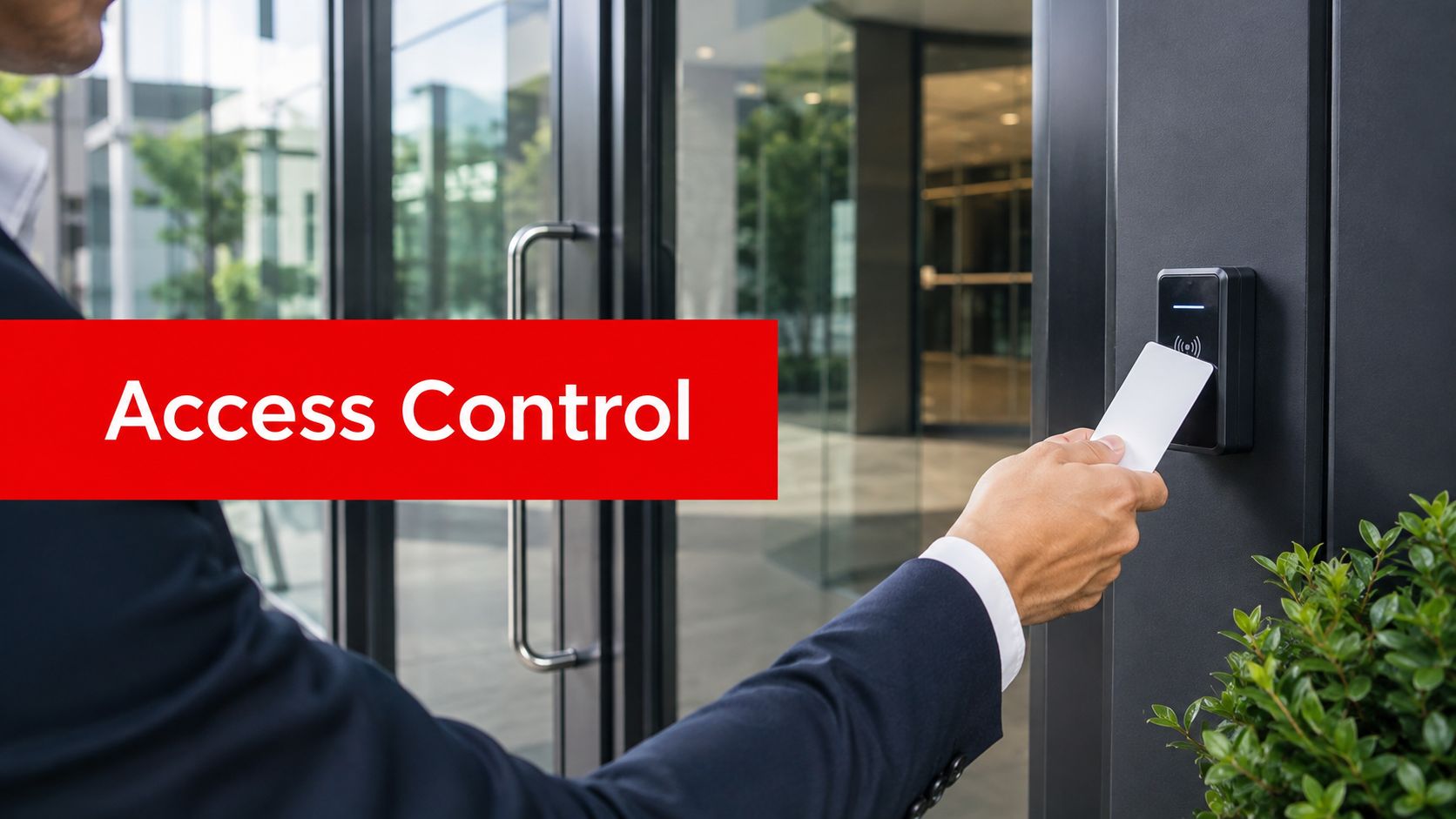
6. Site Security and Access Control
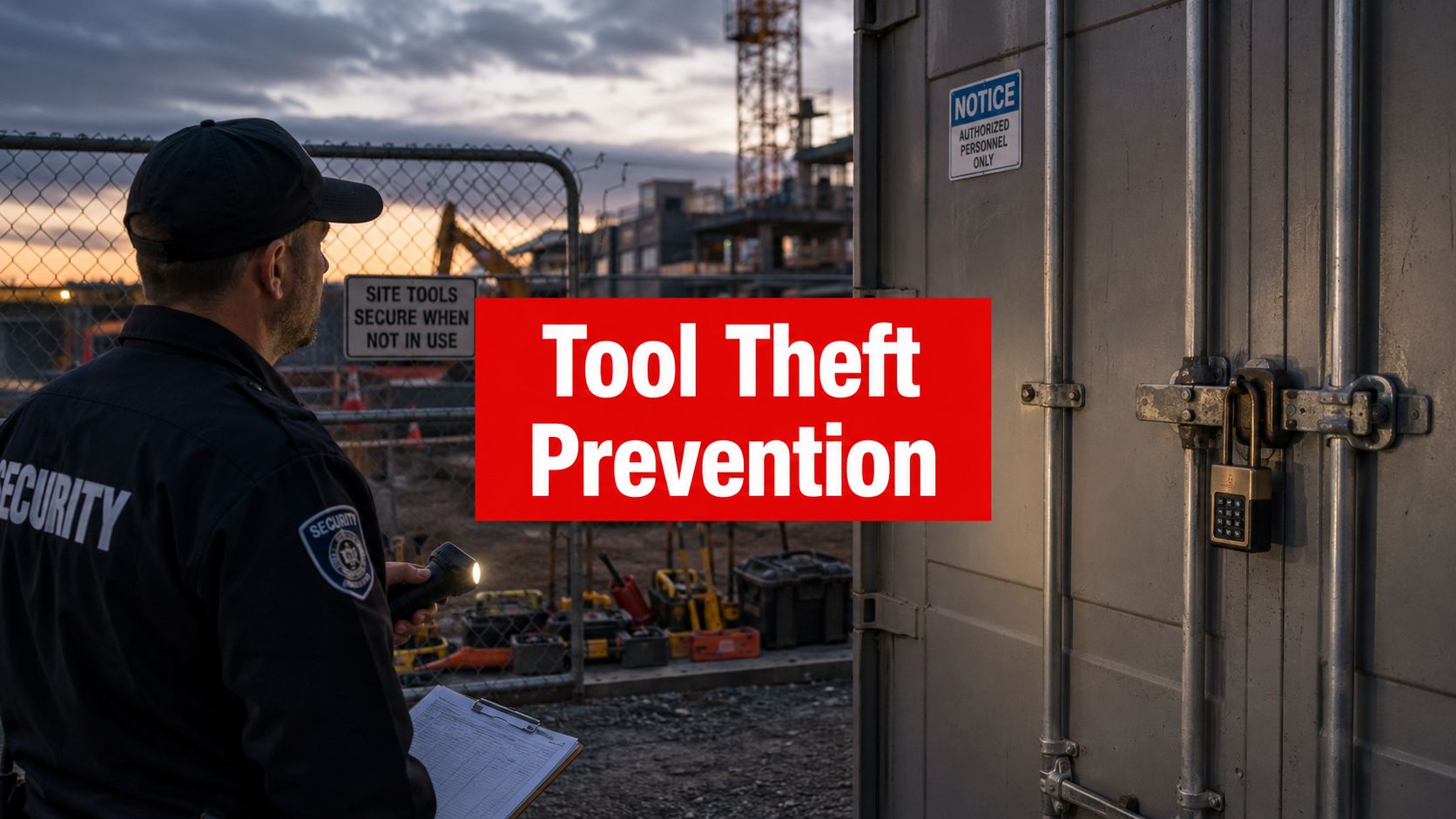
Effective site security is the gatekeeper of a comprehensive construction site safety checklist, ensuring that only authorized individuals can access potentially hazardous areas. A well-defined access control plan prevents theft, vandalism, and unauthorized entry, which can lead to accidents or disruptions. It establishes a secure perimeter and a systematic process for managing the flow of people and vehicles onto the job site.
This proactive measure is about more than just putting up a fence; it's a critical component of risk management. By controlling access, you maintain a clear record of who is on-site at any given time, which is invaluable for emergency response, accounting for personnel during evacuations, and ensuring every individual has received the necessary safety orientation.
Implementing a Robust Site Security Program
A successful access control strategy integrates smart technology with clear, enforceable procedures. The objective is to create a secure yet efficient environment where safety and operational continuity are protected.
- Implement Digital Check-In Systems: Use technology like digital badge tracking to automate and accurately log all entries and exits. This provides real-time personnel data for accountability and emergencies.
- Establish a Single Point of Entry: Funnel all worker and visitor traffic through one monitored checkpoint. This simplifies oversight and ensures no one enters without proper registration and verification.
- Provide Clear Visitor Orientation: All visitors, subcontractors, and delivery personnel must receive a brief but thorough safety orientation upon arrival, covering site-specific hazards and emergency protocols.
- Coordinate with Emergency Services: Maintain an updated emergency contact list and site map at the access point, and share this information with local police and fire departments to facilitate a faster and more effective response.
7. Environmental and Weather Monitoring
Environmental and weather monitoring is a critical, proactive safety measure that protects workers from conditions beyond their immediate control. A comprehensive construction site safety checklist must account for variables like extreme heat, high winds, heavy rain, and poor air quality. This practice involves using established protocols to anticipate and react to changing environmental threats, preventing incidents before they occur.
Effective monitoring is not simply checking the forecast; it is an integrated system for risk management. It ensures that work proceeds only when conditions are safe, protecting both personnel and project assets. Using advanced weather monitoring systems provides real-time data to make informed safety decisions and enables timely work stoppages when conditions become hazardous.
Implementing a Robust Monitoring Program
A successful environmental monitoring strategy is built on clear thresholds and rapid communication. The goal is to create an environment where crews are automatically alerted to and protected from external dangers.
- Establish Clear Work-Stoppage Criteria: Define specific triggers for stopping work, such as wind speeds exceeding 40 mph, a heat index above 100°F, or lightning within a 10-mile radius.
- Use Multiple Data Sources: Rely on a combination of national weather services and specialized site-specific monitoring tools for accuracy and redundancy.
- Implement Automated Alerts: Use systems that send automatic text or app notifications to supervisors when pre-set weather or environmental thresholds are breached.
- Train for Hazard Recognition: Supervisors and safety officers must be trained to recognize early signs of environmental hazards. This human expertise, similar to the keen observation provided by specialized security patrol services, adds a vital layer of on-the-ground intelligence.
8. Emergency Preparedness and Response Planning
A construction site can change in an instant, and a well-defined emergency response plan is the critical safety net that protects workers when the unexpected occurs. This element of a construction site safety checklist ensures that when an incident happens—from a medical emergency to a fire—the response is immediate, coordinated, and effective. It's about having pre-established protocols that guide actions, minimize panic, and mitigate harm.
Effective emergency preparedness moves beyond just having a first aid kit. It involves a comprehensive strategy that accounts for various scenarios, ensures clear communication, and provides every worker with the knowledge to react appropriately. Integrating robust crisis response protocols and digital notification systems is key to resilience.
Implementing a Robust Emergency Response Plan
A successful emergency plan is a living document, regularly practiced and updated to reflect current site conditions. The goal is to build muscle memory so that correct actions are taken automatically under pressure.
- Conduct Regular Drills: Schedule and conduct monthly drills for different scenarios like fires, medical events, or structural failures. This identifies weaknesses in the plan before a real emergency strikes.
- Maintain Updated Contact Lists: Ensure a clearly posted and digitally accessible list of emergency contacts, including local fire, police, and medical services, is always current.
- Ensure First Aid Readiness: Regularly inspect and restock all first aid stations and ensure that designated first responders have current certifications and are easily identifiable.
- Coordinate with Local Services: Proactively engage with local emergency services to familiarize them with your site's layout, access points, and specific potential hazards, facilitating a faster and safer response.
9. Site-Specific Emergency Action Plan (EAP): Preparing for the Unexpected
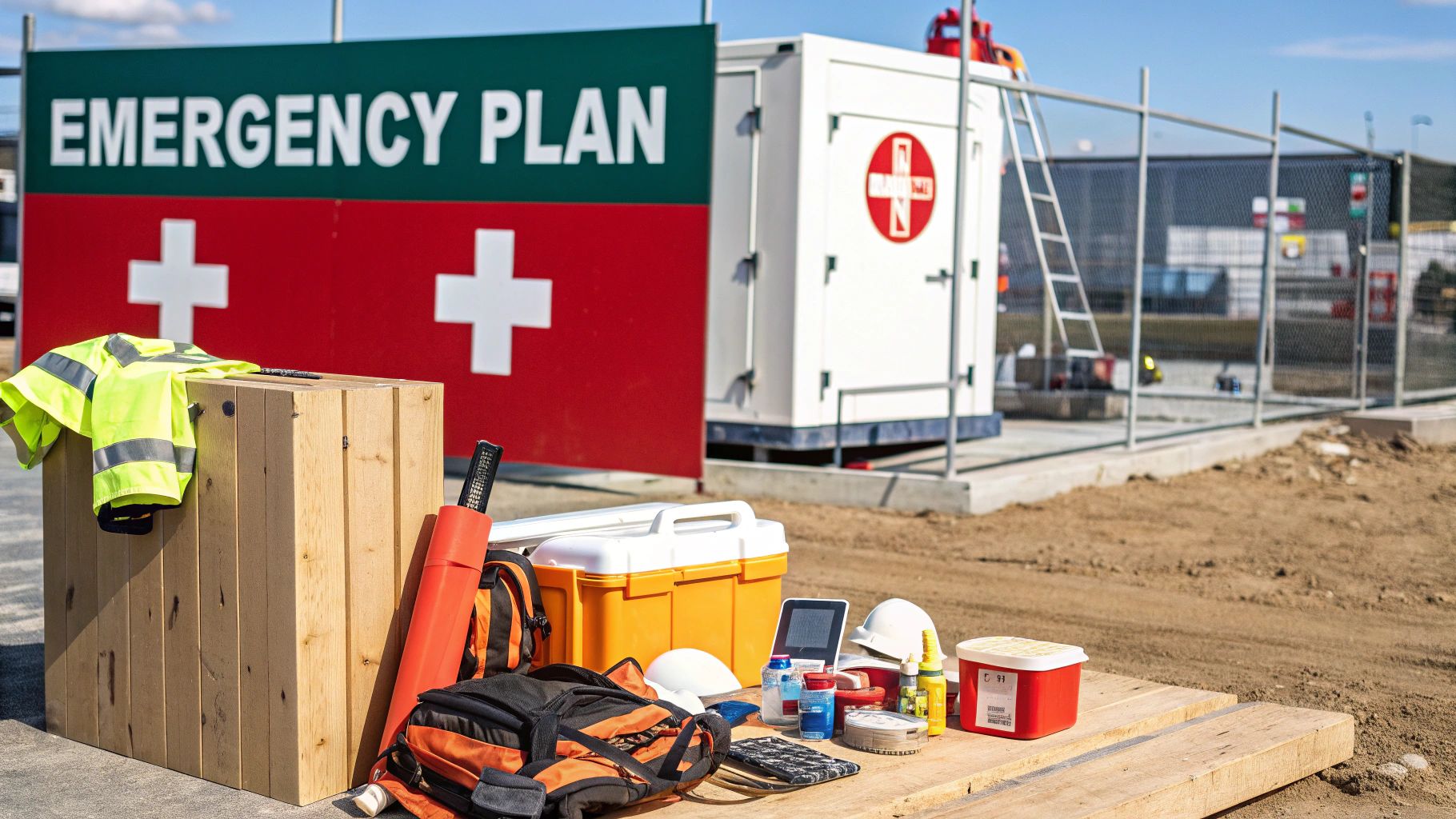
A Site-Specific Emergency Action Plan (EAP) is a documented, customized strategy outlining the procedures to follow during unforeseen crises. While a general safety checklist covers daily preventative measures, the EAP addresses the "what if" scenarios, such as fires, medical emergencies, structural collapses, or severe weather events. It ensures that every worker knows exactly what to do, where to go, and who to contact, minimizing panic and potential harm.
An effective EAP is not a generic document; it’s a living plan tailored to the unique layout, hazards, and phases of your specific construction project. It transforms a chaotic reaction into an orderly, life-saving response, making it an indispensable part of any comprehensive construction site safety checklist.
Implementing a Robust EAP
A successful EAP is built on clarity, accessibility, and regular practice. The objective is to make emergency procedures second nature for every person on site.
- Clear Evacuation Routes: Map out and clearly mark primary and secondary evacuation routes. Ensure they are always kept free of obstructions and lead to a designated, safe assembly point.
- Designated Roles and Responsibilities: Assign specific duties during an emergency. This includes roles like floor wardens to sweep areas, first-aid responders, and a designated person to contact emergency services.
- Accessible Emergency Contact Information: Post a list of emergency contacts (fire, police, ambulance, site superintendent) in highly visible locations, such as site offices and break areas.
- Conduct Regular Drills: Running scheduled and surprise drills for different scenarios, like fire or medical incidents, identifies weaknesses in the plan and builds worker confidence and muscle memory.
9-Point Construction Safety Checklist Comparison
| Safety Measure | Implementation Complexity | Resource Requirements | Expected Outcomes | Ideal Use Cases | Key Advantages |
|---|---|---|---|---|---|
| Personal Protective Equipment (PPE) Compliance | Low to Medium | Moderate (equipment purchase, monitoring) | Reduces injuries by up to 40% | General worker protection across sites | Low cost relative to injury costs; OSHA required |
| Fall Protection Systems Inspection | Medium to High | High (equipment, training, daily inspections) | Can reduce fall-related injuries by up to 95% | Work at heights above 6 feet | Prevents leading cause of construction deaths |
| Hazard Communication and Chemical Safety | Medium | High (documentation, training, chemical management) | Prevents chemical exposure and environmental risks | Sites handling hazardous chemicals | Ensures compliance with complex chemical regulations |
| Equipment and Machinery Safety Verification | Medium to High | High (qualified personnel, maintenance) | Prevents equipment accidents and project delays | Heavy equipment operation at all sites | Extends equipment life, reduces costs via preventive care |
| Electrical Safety and LOTO Procedures | High | High (specialized knowledge, safety equipment) | Prevents electrocutions and electrical fires | Electrical work and maintenance tasks | Protects workers and equipment; code compliance |
| Site Security and Access Control | Medium | Moderate to High (security systems, personnel) | Prevents unauthorized access and enables emergency tracking | Large or sensitive construction sites | Reduces theft/vandalism; improves emergency response |
| Environmental and Weather Monitoring | Medium | Moderate (monitoring tech, trained staff) | Prevents weather-related accidents and health issues | Outdoor sites sensitive to weather hazards | Enables proactive planning and regulatory compliance |
| Emergency Preparedness and Response Planning | Medium to High | Moderate to High (planning, drills, supplies) | Reduces emergency response time and injury severity | All construction sites, especially large/complex | Builds worker confidence; regulatory compliance |
Turn Your Checklist into a Culture with a Trusted Security Partner
This detailed construction site safety checklist provides a comprehensive blueprint for mitigating hazards, but its true power is unlocked when it moves from paper to practice. This isn't about a one-time audit; it's about embedding safety and security into the daily rhythm of your project. Each item, from PPE compliance to robust emergency plans, represents a critical layer of defense against injury, loss, and liability.
Mastering this checklist means transforming abstract rules into tangible actions. It's the difference between merely having fall protection systems available and ensuring every harness is inspected and used correctly, every single time. This proactive approach protects your most valuable assets: your people, your equipment, and your timeline. When safety becomes a shared responsibility, projects run smoother, stay on schedule, and build a reputation for excellence.
However, a significant portion of construction site risk emerges when crews go home. Vandalism, theft of materials, and unauthorized access can derail a project overnight. This is where your safety checklist extends beyond operational hours and into comprehensive site security.
From Checklist to Comprehensive Protection
A checklist is a tool, but a culture of safety requires constant vigilance. While your team focuses on the build, a dedicated security partner ensures the perimeter and assets remain secure. This integration turns your safety plan into a 24/7 reality.
Consider these key takeaways:
- Consistency is Key: A checklist is only effective if it's used consistently. Regular audits, daily briefings, and ongoing training reinforce its importance.
- Proactive vs. Reactive: This checklist encourages a proactive mindset, identifying and addressing risks before they become incidents.
- Security is a Core Component: Item #6, Site Security and Access Control, is not an afterthought. It's a foundational element that protects the entire investment around the clock.
For over 26 years, Overton Security has specialized in translating safety plans into actionable, on-the-ground security protocols for construction sites across California. We understand that your internal safety checklist needs a professional security counterpart to be truly effective. Our highly-trained officers, supported by GPS-enabled patrol technology and real-time digital reporting, provide the constant presence needed to deter threats. We don't just watch your site; we become an integral part of your safety ecosystem, ensuring that the standards you set during the day are upheld through the night.
Don't let your comprehensive safety plan end when the workday does. Partner with Overton Security to implement a robust security strategy that protects your site, assets, and schedule 24/7. Visit us at Overton Security to request a complimentary site assessment and learn how we turn your checklist into true peace of mind.