
It's 9:40 p.m. Your building engineer texts that the fire alarm panel is showing trouble, the monitoring company can't clear it remotely, and the sprinkler contractor won't be on site until morning. Tenants are still in the building. You're now balancing safety, compliance, documentation, and the very practical question every manager asks in that moment: what has to happen right now?
That's where secur fire protection stops being a checklist item and becomes an operations issue. The system itself matters. The response to an impairment matters just as much. Good managers don't improvise in these moments. They follow a process, document every step, and put trained people in place until the system is back online.
Your Fire System Is Down What Now
A late-night impairment rarely arrives at a convenient time. It usually shows up during a tenant complaint, a maintenance shutdown that ran long, a burst pipe, or a panel issue that started as a “trouble” signal and turned into a full outage. What matters first is keeping people safe while you stabilize the situation.

Automatic sprinklers provide a major safety net. The American Fire Sprinkler Association reports that property losses are about 85% lower in residences with sprinklers, and the risk of dying in a reported home fire is reduced by about 80% when they are present, based on NFPA and Home Fire Sprinkler Coalition data in its fire sprinkler facts and figures summary. When that layer is impaired, treating it like a routine maintenance note is a mistake.
The first hour matters
The best immediate response is usually simple and disciplined:
- Confirm the impairment: Find out exactly what's offline. Is it the alarm panel, sprinkler system, a supervisory device, a water supply issue, or a localized trouble condition?
- Escalate fast: Notify the right internal contacts, your vendor, and your on-duty property team.
- Protect occupied areas: Increase awareness around exits, common areas, mechanical rooms, and any spaces with increased ignition risk.
- Put human coverage in place: If the system can't be restored quickly, arrange a documented fire watch.
Practical rule: If you don't have full confidence in automated detection or suppression, don't leave the property without a live coverage plan.
In the field, the biggest error isn't usually bad intent. It's delay. Managers wait for the contractor, assume the issue will clear, or rely on a maintenance tech to “keep an eye on things.” That's not a defensible plan if the impairment extends.
If you're dealing with an active after-hours issue, the right move is to treat it as an emergency response problem, not just a service ticket. A structured emergency response security deployment gives you immediate coverage while the technical repair side catches up.
What works and what doesn't
A calm response works. A vague one doesn't.
| Approach | Works | Doesn't work |
|---|---|---|
| Documentation | Time-stamped actions and notifications | Verbal updates with no record |
| Coverage | Dedicated patrols with clear routes | Asking random staff to walk the site |
| Escalation | Contacting vendors and decision-makers early | Waiting until morning |
| Risk control | Checking exits, hazards, and occupancy conditions | Assuming the offline system is the only issue |
When systems fail, secur fire protection becomes a people-and-process function. That's the point most managers remember after the first real outage.
Understanding Fire Protection and Fire Watch
Most properties rely on two layers of protection. The first is automated fire protection, which includes alarms, sprinklers, suppression equipment, control panels, pull stations, detection devices, and related monitoring. The second is manual fire watch, which is the temporary human backup used when those automated protections are impaired or when conditions create unusual fire risk.
Those aren't interchangeable systems. They serve different purposes.
Automated protection handles speed and consistency
Automatic systems are the backbone of modern fire safety, and they're part of a very large infrastructure market. Global research values the fire protection systems market at USD 81.4 billion in 2025, reflecting its central role in compliance and risk management across property types, according to fire protection systems market analysis.
That scale makes sense. Buildings depend on these systems to detect, alert, suppress, and buy time for evacuation and response. But automation has one weakness every manager learns sooner or later. When it's down, it's down.
Fire watch fills the temporary gap
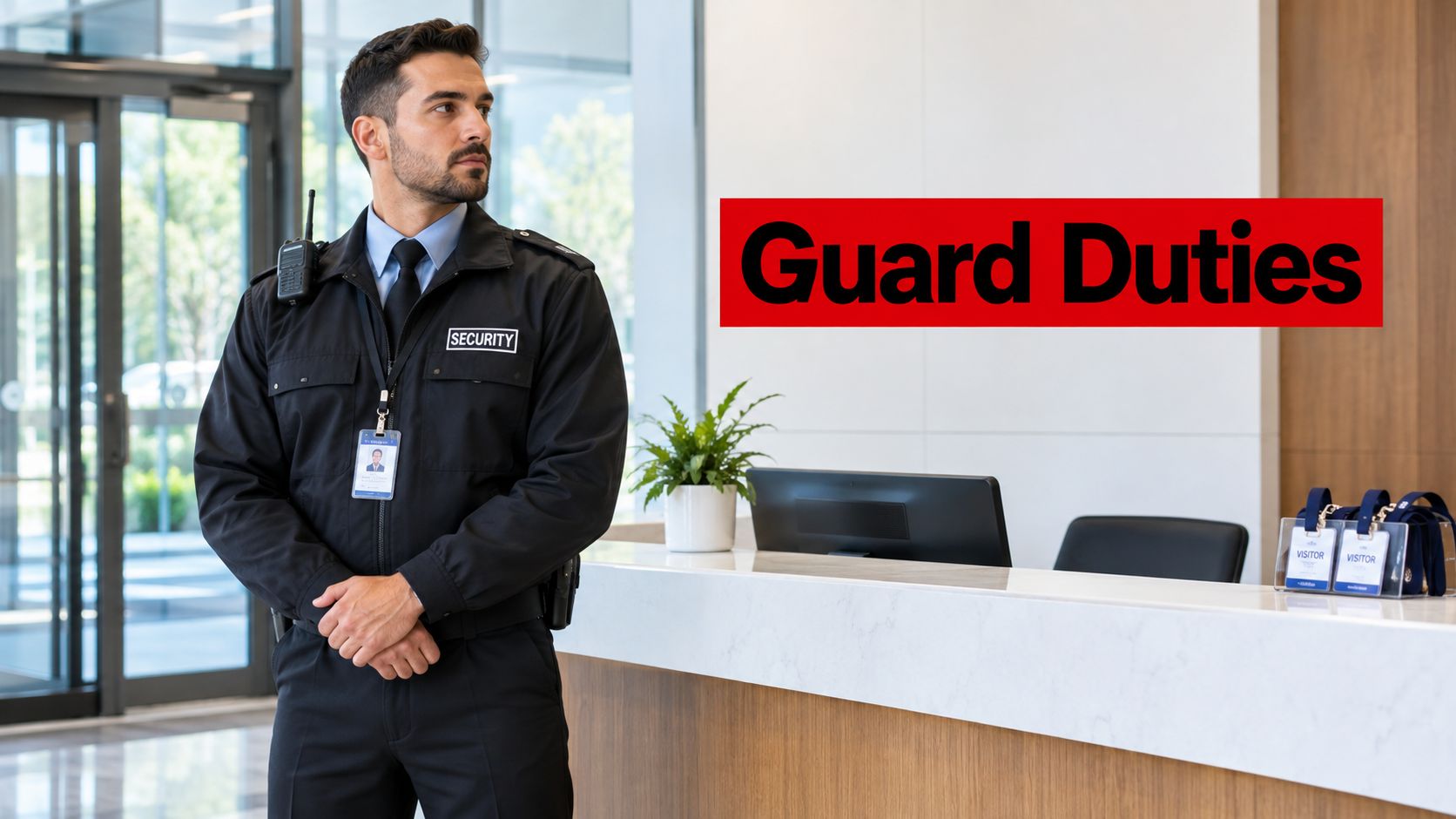
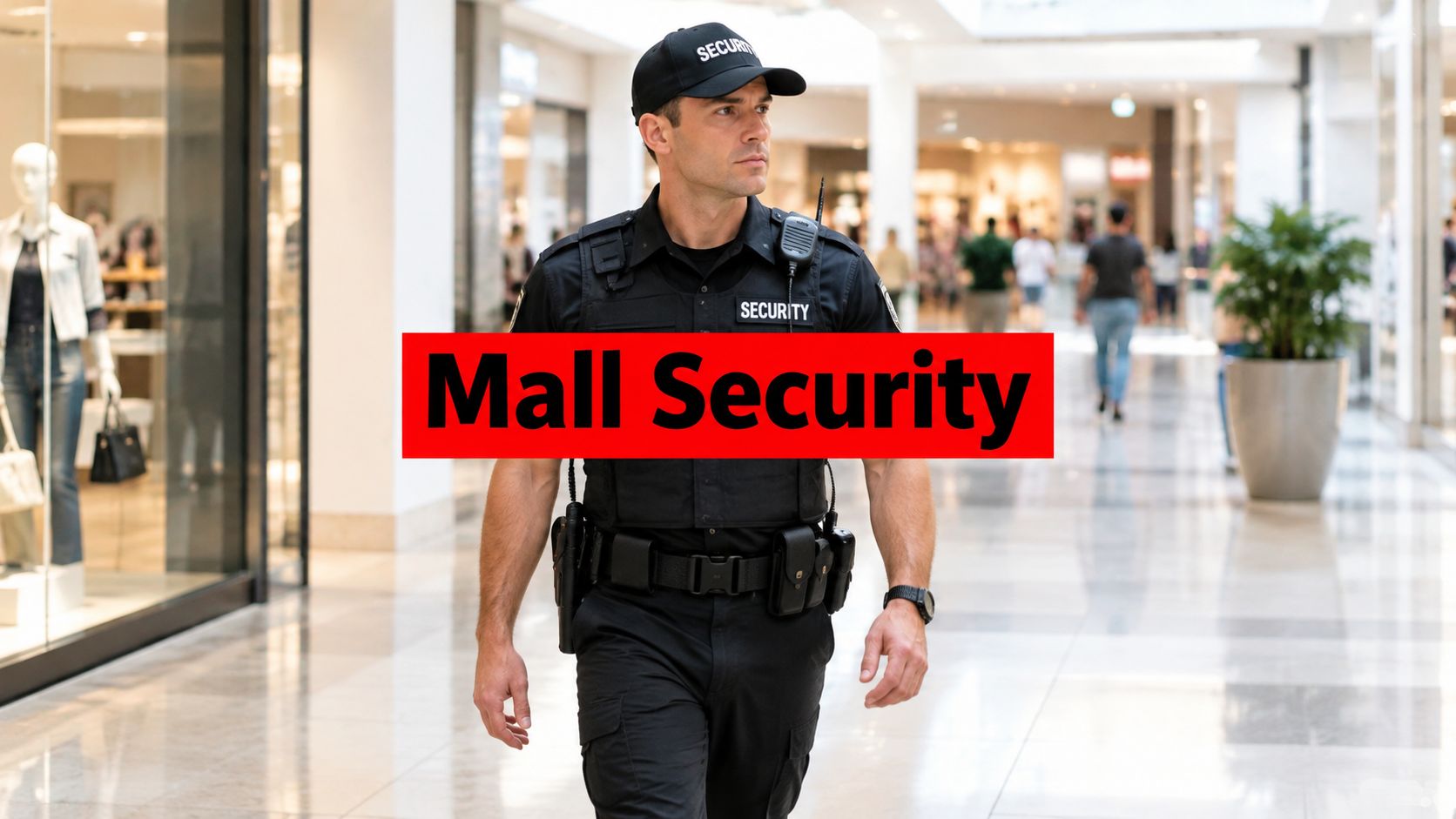
A proper fire watch is active, not symbolic. Trained personnel patrol the affected property, look for signs of smoke or fire, check that exits and fire lanes remain usable, watch for unsafe conditions, and keep a written or digital log of their rounds and observations.
A strong fire watch usually includes:
- Defined patrol routes: Officers need to know exactly which floors, rooms, stairwells, utility areas, and exterior access points require coverage.
- Clear communication instructions: They need escalation contacts, emergency procedures, and direction on when to call 911 or the local fire authority.
- Continuous documentation: Patrol times, findings, hazards observed, and corrective actions should be recorded in real time.
- Site-specific awareness: A high-rise, retail center, healthcare setting, and active construction site won't have the same patrol focus.
A fire watch isn't just a person standing in the lobby. It's a temporary life-safety procedure with assigned routes, logs, communication rules, and decision authority.
The practical difference is easy to remember. Automated systems are designed to react instantly to conditions they detect. Fire watch personnel are there to observe what the system can't cover during an impairment and to trigger a response without delay.
For managers who haven't had to arrange one before, this fire watch overview for building owners and managers is a useful reference point. It helps clarify what the service is, when it applies, and what competent execution should look like on site.
What fire watch is not
It's not general courtesy patrol. It's not a substitute for repairing the system. And it's not something you hand to whoever happens to be available.
If you're responsible for the property, secur fire protection means understanding both the hardware and the temporary human layer that steps in when the hardware can't do its job.
California Compliance and Manager Liability
California managers already know that code issues don't stay theoretical for long. If a life-safety system is impaired, the question isn't just whether someone is working on it. The question is whether the building remains safely and lawfully managed while that impairment exists.
That's where liability enters the picture. Not because every outage leads to a disaster, but because every outage creates a period where your decisions, records, and response can be scrutinized later.
Compliance lives in the details
In fire protection, small specification details often carry major consequences. The VA Fire Protection Design Manual requires structural fire-resistive ratings to be designed in accordance with NFPA 220 and limits sprayed fire-resistant materials to medium- or high-density cementitious products or intumescent coatings, while prohibiting mineral fiber and low-density cementitious materials, as stated in the VA Fire Protection Design Manual.
That example matters because it shows how compliance works in practice. Fire safety isn't built on broad intent alone. It depends on exact standards, approved materials, proper installation, and documented procedures.
What that means for a California property manager
For a manager, duty of care usually comes down to a few operational questions:
- Did you recognize the impairment quickly?
- Did you notify the right parties?
- Did you put temporary protective measures in place?
- Can you prove what happened, when it happened, and who responded?
If those answers are weak, your position is weak.
That applies across occupied apartment buildings, office towers, retail properties, mixed-use sites, and construction projects. It also applies during planned work. If a contractor takes a system offline for maintenance and the property team hasn't coordinated interim coverage, the exposure doesn't disappear because the outage was scheduled.
The legal problem usually isn't the existence of a system issue. It's the absence of a documented response once the issue was known.
Practical liability points managers should treat seriously
| Risk area | Why it matters |
|---|---|
| Unreported impairment | Authorities, tenants, insurers, and ownership may ask when the outage became known |
| No interim coverage | A building may remain occupied while primary protection is reduced |
| Poor logs | If patrols weren't documented, it becomes hard to show they happened |
| Unclear roles | Engineers, managers, vendors, and security staff may assume someone else is handling it |
A professional provider should understand the compliance side as well as the staffing side. If you need a practical reference for impairment coverage on active properties, this building fire watch service page shows the basic deployment model managers typically use when systems are offline.
Secur fire protection in California is as much about defensible process as it is about equipment. When inspectors, ownership groups, or attorneys review an incident, they won't measure intent. They'll measure actions.
Decision Criteria for Hiring Fire Watch Services
The hardest part for many managers isn't understanding what fire watch is. It's deciding when the situation has crossed the line from “monitor it” to “staff it.” That decision gets easier when you separate true triggers into two buckets: system failures and high-risk conditions.

System failures that usually justify immediate action
A fire watch should move to the top of the list when a core life-safety system can't perform its intended function.
- Alarm impairment: If the fire alarm panel is non-operational, stuck in trouble without reliable monitoring, or otherwise unable to support normal detection and notification, your response window narrows.
- Sprinkler impairment: A shut valve, damaged riser, drained system, or inactive zone changes the risk profile of the property immediately.
- Water supply problem: If suppression depends on water and water isn't available as designed, the site needs temporary controls while the issue is corrected.
High-risk conditions that change the answer
Planned work and temporary site conditions can also justify fire watch, even when the building systems themselves are technically present.
- Hot work operations: Welding, torch cutting, grinding, or any activity that throws sparks creates a predictable ignition hazard.
- Renovation and tenant improvement work: Construction crews may block exits, open concealed spaces, disable devices, or create temporary blind spots in coverage.
- Special occupancy conditions: Large gatherings, temporary storage, event staging, or unusual fire loads can make a standard staffing plan inadequate.
One issue that often gets missed is coverage quality inside irregular layouts. Standard guidance sounds simple until you get into alcoves, angled rooms, partial enclosures, and retrofit spaces where the physical layout interrupts normal sprinkler coverage. Professional review matters because standard heads may not adequately protect those zones, as described in guidance on sprinkler challenges in irregular rooms and alcoves.
If your property has odd geometry, remodel history, dead-end corners, or carved-up tenant spaces, don't assume “sprinklered” means “fully protected.”
A simple decision screen
Ask these questions in order:
- Is a primary fire system impaired or taken offline?
- Will the condition last beyond a short troubleshooting window?
- Is the property occupied, active, or exposed to ignition sources?
- Are there any layout, construction, or operational conditions that reduce normal protection?
If the answer to more than one is yes, a fire watch usually moves from optional to prudent very quickly.
What doesn't work is trying to force every site into one rule. A retail shell under renovation, an occupied residential tower in Los Angeles, and a distribution site in San Jose won't have the same threshold. Secur fire protection works best when the staffing decision reflects the actual condition of the property, not a generic template.
A Step-by-Step Fire Watch Implementation Checklist
When a fire watch becomes necessary, the best process is the one your team can execute under pressure without confusion. Keep it structured. Keep it documented. Keep everyone working from the same operating picture.

Step 1 and Step 2
Assess the impairment
Identify what is offline, what areas are affected, whether occupancy continues, and whether any additional hazards are present. Be specific. “Alarm issue” isn't enough. You need the panel status, impacted zones, and expected repair window.
Notify the required parties
Contact the local fire authority if required by your jurisdiction or site procedures. Notify ownership, engineering, relevant vendors, and internal operations contacts. If tenants or residents need instructions, prepare a clear message instead of ad hoc updates.
Step 3 and Step 4
Deploy trained personnel
Assign personnel who understand patrol discipline, emergency escalation, and site-specific post orders. A fire watch officer should know where the riser room is, where exits discharge, which areas contain higher hazard operations, and how to report unsafe conditions immediately.
Build the patrol route
The route should cover all affected zones, plus the places where problems tend to hide.
Include:
- Exit paths and stairwells: Check that doors open, corridors remain clear, and egress isn't compromised by deliveries, debris, or construction material.
- Mechanical and electrical rooms: These spaces often become a priority during impairments because faults, heat sources, and restricted access can combine badly.
- Vacant and low-traffic areas: Fires are often discovered late in places nobody is actively using.
- Exterior observations: Loading docks, trash areas, and service corridors can create risk that interior-only patrols miss.
Good post orders don't just say “patrol the property.” They identify critical rooms, route frequency, reporting thresholds, emergency contacts, and what the officer does if they find smoke, blocked exits, or unauthorized activity.
Step 5 and Step 6
- Maintain the log and communication flow
Every patrol should be documented with time, route completion, observations, and actions taken. If conditions change, the log should show when they changed and who was notified. Many weak fire watch programs often fail due to this oversight. People patrol, but nobody keeps a reliable record.
Terminate the watch correctly
Don't end coverage just because someone says the system is “back.” Confirm restoration, document who verified it, and close the log with a clear end time. If the issue was partial, make sure everyone understands whether the whole property is restored or only part of it.
What a manager should expect to receive
A professionally run fire watch should leave you with a usable record, not a stack of vague notes.
| Deliverable | Why it matters |
|---|---|
| Patrol log | Shows continuity and timing of rounds |
| Incident notes | Captures hazards, tenant issues, and escalations |
| Shift handoff details | Prevents coverage gaps between officers |
| Closure confirmation | Documents when and why the watch ended |
That level of process is what turns secur fire protection from reactive staffing into controlled risk management.
The Overton Advantage Technology and Accountability
Many properties don't have a fire problem. They have an integration problem. The alarm contractor handles one piece. The monitoring company handles another. The property team carries the tenant pressure. Security is expected to be visible, responsive, and fully informed, but often gets brought in late.
That gap creates avoidable failure points. Delayed detection, incomplete handoffs, weak reporting, and uncertainty about whether patrols happened are operational problems, not just staffing problems.

Why accountability changes the outcome
Modern fire and security operations work better when monitoring, field response, and reporting are connected. That integration gap is now a recognized issue across properties that need both life-safety compliance and ongoing operational resilience. The stronger approach is to unify automated detection, professional monitoring, and on-site response into one strategy, as discussed in this overview of the fire and security integration gap.
For a property manager, that translates into a few practical advantages:
- 24/7 SOC oversight: A Security Operations Center can track officer status, support escalation, and reduce the chance that a field issue sits unresolved.
- GPS-enabled patrol verification: Guard Tour Management Systems give managers a time-stamped trail showing that rounds were completed at actual checkpoints.
- Digital DARs and incident reports: Clear reports shorten the distance between what happened on site and what ownership, engineering, or risk management needs to review.
- Customized post orders: The patrol instructions can reflect the building's layout, occupancy, contractor activity, and active impairment conditions.
Why people still matter most
Technology helps. It doesn't replace judgment.
A fire watch officer still has to recognize a blocked exit, a suspicious odor, an overheated room, a contractor violating hot work rules, or a tenant behavior issue that raises risk during an impairment. That's why officer quality matters so much. Retention, supervision, and hands-on management aren't side issues. They determine whether the person on your property is observant, reliable, and able to act under pressure.
The best fire watch programs combine verified patrol activity with officers who know what they're looking at when they walk the route.
That's where secur fire protection becomes more than compliance coverage. It becomes an accountable operating system for temporary life-safety risk.
Fire Protection Service FAQs
How many fire watch officers does a property need
It depends on layout, occupancy, impairment scope, and how quickly one person can complete a full patrol without leaving blind spots. A compact site may need one officer. A high-rise, hospital campus, large retail center, or active construction project may need more than one post or a combination of standing and roving coverage.
What training should fire watch personnel have
They should understand patrol procedure, emergency escalation, site post orders, hazard recognition, evacuation support, and log requirements. They also need enough site orientation to identify critical rooms, egress paths, and the boundaries of the impaired area.
What should be in a fire watch log
A useful log includes patrol times, officer name, route completion, observed conditions, corrective actions taken, notifications made, and the start and end of the watch period. If something abnormal happened, the report should show who was contacted and when.
Can regular security guards perform fire watch
Only if they are properly briefed, assigned specifically to the task, and supported with the right instructions and reporting standards. Fire watch shouldn't be treated as an extra duty added casually to a busy security post.
What's the biggest mistake managers make
They assume the outage itself is the main issue. Usually it isn't. The larger problem is failing to create a documented temporary safety plan while the outage remains unresolved.
If you need a calm, documented response when a fire system goes offline, Overton Security can help with fire watch coverage, emergency deployment, and accountable reporting across California properties. Reach out to discuss your site, your timeline, and the level of support your team needs.