It's a quiet Tuesday night at a residential garage. An alarm sounds, a resident calls the management line, and the officer on duty is checking another part of the property. Nobody is certain whether the alarm goes to the monitoring company, the security supervisor, or the building engineer.
You reach for the contact list and find a former employee's number. Meanwhile, someone needs to confirm what's happening and decide whether residents should stay away from the garage. Everyone wants to help, but they're working from different assumptions.
Most incident problems don't come from a lack of effort. They come from unclear roles, outdated procedures, and gaps nobody thought to test. A property can have capable security officers, working cameras, and detailed reports yet still struggle when responsibility changes between teams.
Useful incident management questions require more than reassurance from a vendor. Ask for the written procedure, the person responsible, and a recent record showing how the team followed through.
- For property managers: Check who can make decisions when you're unavailable.
- For facilities directors: Confirm how security coordinates with engineers, contractors, and emergency responders.
- For portfolio teams: Check whether each property has site-specific instructions rather than a copied master document.
These eight questions help you check those gaps before they cost time, money, or trust. Bring them to an account review or a site walkthrough, and ask the team to demonstrate its answers.
1. What Should Happen in the First Five Minutes After an Incident Is Reported?
A strong answer identifies who receives the report, who verifies conditions, who calls for help, and who records the timeline. It also explains what happens if the primary contact doesn't answer. An officer shouldn't have to wait for management approval before requesting emergency assistance for an immediate threat to life.
Say a resident reports a medical emergency in a high-rise lobby. The concierge officer confirms the exact location, contacts emergency dispatch, and follows the dispatcher's instructions. Another available staff member clears the responder access route and meets the arriving crew.
A water leak needs a different response. The patrol officer keeps people away from the affected area, checks for visible electrical hazards from a safe position, and alerts facilities. Closing access may be appropriate; operating an unfamiliar valve or electrical panel isn't.
Ask the Team to Walk Through the Sequence
Give the officer a scenario and ask them to locate the actual instructions. Check whether they can find the building address, responder entrance, emergency contacts, and backup decision-maker without searching through unrelated paperwork.
- First-response card: Keep a short site-specific reference at the guard desk and in patrol vehicles.
- Authority: State who can restrict access, request additional coverage, and authorize urgent contractor assistance.
- Handoff: Require acknowledgment from the person taking responsibility, not just a voicemail.
- Practice: Use short tabletop drills that include an unavailable manager or failed radio.
Practical rule: Emergency assistance comes before routine client notification when someone faces immediate danger.
Compare your site's sequence with Overton's incident response process. The useful question isn't whether a process exists. It's whether the person working tonight can follow it.
2. How Do We Document an Incident So It Holds Up Later?
A shopping center officer finds a customer beside a wet parking-lot walkway after a reported fall. A useful report records the surface condition, location, lighting, witness details, assistance provided, and notification times. It doesn't declare what caused the fall or who was responsible.
A strong program should produce a factual incident record that another person can reconstruct without interviewing the author. The NIST incident-handling guide recommends documenting response actions and collecting actionable information rather than data just because it's available. For property operations, that means preserving the details needed to understand decisions and follow-up.

Inspect the Evidence, Not Just the Narrative
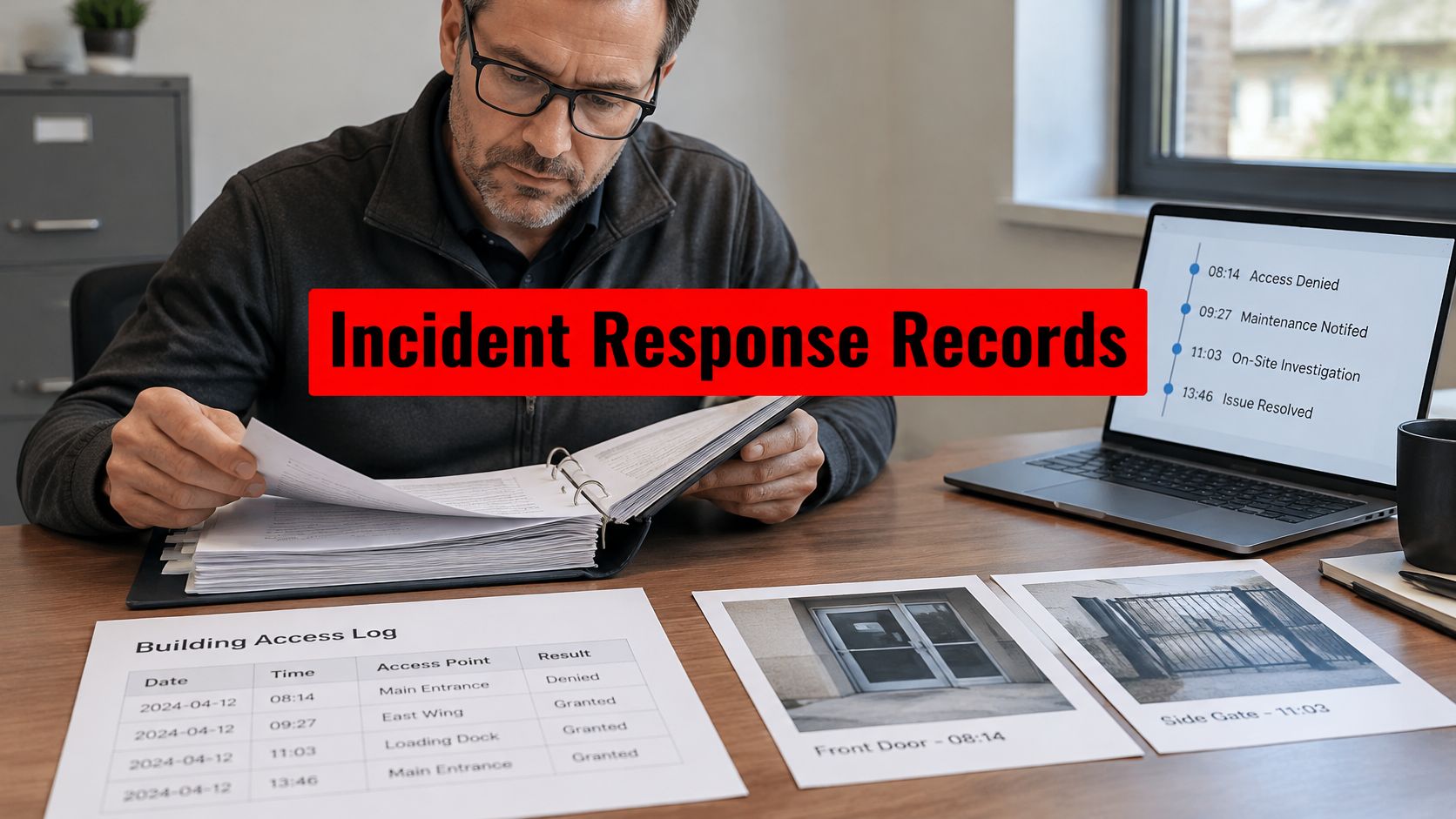
Ask your vendor to open a completed record with appropriate privacy protections. Compare the officer's report with dispatch entries, photographs, access logs, and camera footage.
- Identification: Include the incident ID, precise location, reporting officer, and people notified.
- Timeline: Separate discovery, acknowledgment, arrival, containment, and handoff.
- Evidence handling: Preserve original files, record who collected them, and restrict access.
- Corrections: Add a traceable amendment rather than replacing the original account without a trace.
A digital Daily Activity Report can show that an officer scanned a checkpoint and photographed a damaged gate. It shouldn't replace a dedicated incident report when the event requires escalation or investigation.
Overton's security incident reporting approach provides a useful starting point for reviewing report structure. Set submission expectations and have a supervisor check completeness before the record reaches the client.
Documentation also matters in restoration work. Guidance on filing a Florida water damage claim addresses a different jurisdiction, so don't treat it as California insurance advice. Keep your own photographs, mitigation records, and insurer communications together without assuming documentation guarantees coverage.
3. When Should We Call the Police Instead of Handling an Incident With Security?
The answer should be a written escalation matrix, not a promise that officers will use good judgment. Judgment matters, but officers need clear boundaries between routine property-rule enforcement, non-emergency police reporting, and immediate emergency assistance.
A verbally upset retail customer may respond to calm communication and space. An officer can explain the rule, offer a practical next step, and notify management. If the person makes a credible threat, displays a weapon, or begins an assault, the officer should move people away and contact emergency dispatch rather than continue negotiating alone.
Separate Immediate Danger From a Discovered Loss
A vehicle break-in discovered after the offender has left presents different decisions. The officer protects the area from unnecessary disturbance, documents visible damage, helps the resident contact the appropriate police reporting channel, and notifies the property manager. If an offender is still present or someone is injured, the response changes immediately.
Calling police doesn't require the officer to prove a crime. The officer should describe observable conditions and let dispatch determine the appropriate response.
Review the matrix with property management, the security supervisor, and local law enforcement where coordination is available. Counsel should review enforcement practices that raise legal questions.
- Emergency route: Identify conditions requiring immediate assistance, including violence and serious medical distress.
- Non-emergency route: List reporting options for discovered theft, damage, and recurring concerns without immediate danger.
- Dispatch details: Train officers to give the address, access point, observed behavior, injuries, and safe meeting location.
- Review: Examine whether escalation was timely and appropriate, not just whether police attended.
Unarmed guards aren't substitutes for police. Their value includes recognizing limits, reducing exposure, preserving information, and supporting responders safely.
4. How Should Officers Handle Trespassing and Loitering Without Escalating Conflict?
Before asking how an officer removes someone, ask how the officer determines whether that person is unauthorized. A visitor waiting for a resident, a delivery worker at the wrong entrance, and someone refusing to leave a closed plaza require different responses.
A strong answer starts with lawful access rules, calm communication, and a documented escalation path. Appearance, clothing, or unfamiliarity shouldn't substitute for checking behavior and authorization. Keep resident and tenant information accessible only to staff who need it.
Check the Rule Before Enforcing It
Say a group of teenagers is gathering in a retail plaza after closing. The officer identifies their role, explains that the property is closed, and directs the group toward the exit. The officer maintains distance, avoids arguing, and records the interaction and a follow-up patrol.
A repeated courtyard entry needs more investigation. Management should verify whether the person has an invitation, an access right, or another legitimate reason to be there before pursuing a trespass notice.
- Access information: Maintain current visitor procedures and an authorized-contact process.
- Communication: Explain the applicable rule and the action needed without insults or unsupported accusations.
- Legal review: Have counsel confirm notice wording, delivery, and local enforcement requirements.
- Repeat activity: Track locations and behavior so supervisors can adjust patrol routes and investigate access weaknesses.
A practical spoken approach is to introduce yourself, state your security role, explain the property rule, and ask for compliance. Don't surround someone or block their departure just to finish a conversation.
Supervisor's check: A documented warning isn't useful if the officer can't explain which rule applied or why the person lacked authorization.
For vehicle patrol in Los Angeles or a residential courtyard in Oakland, the fundamentals remain the same. Site rules must be clear, officers must know their limits, and enforcement must be consistent.
5. How Do We Respond to Theft and Vandalism at Construction Sites and Other After-Hours Locations?
A mobile patrol officer reaches a Fresno construction site and notices a cut fence beside an open storage container. The officer's first task isn't to walk inside and inventory the loss. It's to assess conditions from a safe position, determine whether anyone may still be present, and request the appropriate support.
A strong program can explain its detection method, safe verification procedure, notification route, and evidence collection process. It should also identify who can authorize temporary protection before the superintendent arrives.
Match Coverage to the Exposure
Shared mobile patrols provide periodic checks, not continuous observation. Dedicated vehicle patrol can focus on a property or related sites, while a stationed officer provides a different level of presence. Ask the vendor to explain the uncovered periods and operational limits of each option.
Say a San Jose project experiences repeated copper theft near the rear laydown yard. Management can review incident timing, camera coverage, fence condition, and material storage before deciding whether to change patrol visits or add an officer during exposed periods. More visits won't repair a gate that crews routinely leave unsecured.
- Changing layout: Update post orders when fencing, storage areas, or contractor entrances move.
- Asset records: Keep equipment serial numbers, identifying photographs, and an authorized inventory contact.
- Patrol variation: Vary visits where practical without skipping required checks.
- Evidence preservation: Photograph damage safely and preserve relevant footage before routine systems overwrite it.
For insurance follow-up, documenting vandalism damage for your claim is a useful companion task, separate from determining who committed the damage. The project team should record emergency repairs and retain supporting invoices.
Ask for a recurring incident summary that names locations and unresolved weaknesses. A collection of photographs is helpful evidence, but it isn't a prevention plan.
6. Why Do Clear, Pre-Planned Procedures and Post Orders Matter for Incident Response?
Post orders turn a property's expectations into actions an officer can perform. Instructions such as monitor the loading dock or notify management leave important decisions unanswered. The officer needs to know which alarm matters, where to check, who to contact, and what conditions require withdrawal or emergency assistance.
A strong answer includes current site-specific post orders, documented officer orientation, and a method for confirming revisions reach every shift. A signed acknowledgment alone doesn't show that an officer understands the instructions.
Test the Procedure at the Actual Location
At a distribution center, walk to the loading dock and ask the officer to demonstrate the alarm response. Verify the contact numbers, gate controls, responder route, and restrictions on entering trailer or equipment areas. Don't assume the written gate name matches the label used by warehouse staff.
A condominium that opens a new pool amenity should update patrol checkpoints and after-hours access rules before officers begin enforcing them. Overton's guide to writing security post orders can help structure that review.
- Quick reference: Keep urgent actions easy to find, with detailed procedures available behind them.
- Revision control: Show the current version and remove superseded copies.
- Orientation: Walk new officers through access points, equipment limitations, and known hazards.
- Combined failures: Rehearse an unauthorized entry when cameras or badge readers are unavailable.
For covered California employers, the Cal/OSHA workplace violence FAQ explains that the required Workplace Violence Prevention Plan must address the hazards and corrective measures of each work area and operation. Security post orders should support the employer's plan, not be mistaken for a replacement.
When technology fails, officers need a fallback that preserves emergency egress and routes technical decisions to authorized personnel. Rebooting a recorder or changing access settings without approval can create additional problems.
7. How Do We Keep Residents, Tenants, and Stakeholders Informed During an Incident?
After an attempted residential break-in, residents may hear about police attendance before management receives the completed report. Silence leaves people uncertain about access, safety, and what they should do. An immediate message with unverified details creates a different problem.
A strong program names the communication owner, approval route, audience, and update channel before an incident occurs. The officer or SOC provides operational facts. Management handles resident, tenant, owner, and board communications unless another arrangement is documented.
Give Each Audience What It Needs
Residents need practical instructions, such as an entrance closure or alternate access route. A building engineer needs equipment status and contractor coordination. Owners need the confirmed impact, response actions, and unresolved decisions.
Say a retail center has a parking-lot incident. Management can tell tenants which area is restricted, whether customer access has changed, and when another update will arrive. A police report number may be shared when appropriate, but personal information and investigative details shouldn't circulate unnecessarily.
- Verified status: Separate confirmed facts from information still being checked.
- Action required: Tell recipients what to do, where to go, and whom to contact.
- Next update: Give a follow-up time and send an update even if the status hasn't changed.
- Communication log: Retain messages, approvals, recipients, and delivery records with the incident.
Don't announce that everything is safe simply because an officer has arrived. Describe the conditions the team has actually verified.
After resolution, ask the property contact whether response speed, communication, professionalism, and documentation met expectations. Keep those answers attached to the incident so a complaint about poor updates doesn't get mistaken for slow field response.
Communication also needs a closing message. Explain what has reopened, what remains restricted, and who owns the remaining work without promising that an incident can never recur.
8. How Can We Prevent Repeat Incidents by Analyzing Trends and Root Causes?
A strong program should show completed corrective actions and explain how the team checked their effectiveness. An after-action report that ends with improve training or increase patrols leaves too much unresolved. Ask who owns the change, when it's due, and what evidence will establish completion.
The OSHA incident investigation guidance recommends looking beyond immediate causes to identify measures that prevent recurrence. Blaming an employee alone can leave staffing, supervision, equipment, or procedural failures unaddressed.
Connect the Pattern to a Testable Change
Say apartment garage reports show repeated vehicle break-ins near a poorly lit corner during overnight hours. Review lighting faults, sightlines, camera views, access records, and patrol coverage together. Assign lighting repairs to facilities and patrol adjustments to the security supervisor, then compare subsequent conditions and reports.
A shopping center may find repeated loitering near a vacant storefront. Better lighting, clearer boundaries, maintained landscaping, and targeted evening checks may be more useful than asking officers to repeat the same warning.
- Consistent categories: Use the same definitions for theft, access violations, damage, and disturbances across properties.
- Specific ownership: Assign each corrective action to a named role with a deadline.
- Completion evidence: Require a repair record, revised procedure, training check, or site verification.
- Effectiveness review: Check repeat events and severity after the change, allowing for changes in reporting and occupancy.
Crime Prevention Through Environmental Design (CPTED) offers practical improvements through lighting, sightlines, access arrangements, and clear wayfinding. Inspect these conditions during a walkthrough rather than relying only on report counts.
Fewer reports don't automatically mean better security. Officers may be detecting less or recording differently. Compare incident patterns with documentation quality, response timelines, and completed fixes before deciding whether the program is improving.
How the 8 Incident Management Questions Compare by Focus, Output, and Common Gap
| Item | Primary Focus | Key Deliverable | Best Used During | Common Red Flag |
|---|---|---|---|---|
| What Should Happen in the First Five Minutes After an Incident Is Reported? | Verify the incident, prioritize safety, and coordinate the initial response | Time-stamped response log | The first minutes after an incident is reported | Responders improvise without written procedures |
| How Do We Document an Incident So It Holds Up Later? | Create a factual, timely, searchable incident record | Complete incident report with supporting evidence | During and immediately after an incident | Reports are incomplete, late, or overly long |
| When Should We Call the Police Instead of Handling an Incident With Security? | Set clear thresholds for escalation to law enforcement | Risk-based escalation matrix | When assessing an incident or deciding who should respond | Unclear thresholds lead to inconsistent decisions |
| How Should Officers Handle Trespassing and Loitering Without Escalating Conflict? | Enforce property rules calmly and lawfully | Documented warnings and trespass notices | During trespassing or loitering incidents | Inconsistent or overly aggressive enforcement |
| How Do We Respond to Theft and Vandalism at Construction Sites and Other After-Hours Locations? | Detect, verify, and document after-hours theft or vandalism | Patrol findings and photographic evidence | During after-hours patrols and site incidents | Large sites lack adequate patrol coverage |
| Why Do Clear, Pre-Planned Procedures and Post Orders Matter for Incident Response? | Give officers current, site-specific response instructions | Concise post orders and quick-reference guides | During planning, onboarding, and site changes | Post orders are outdated or difficult to use |
| How Do We Keep Residents, Tenants, and Stakeholders Informed During an Incident? | Deliver timely, accurate updates to affected groups | Approved incident communications and follow-ups | During an incident and after resolution | Updates are delayed or sent before facts are confirmed |
| How Can We Prevent Repeat Incidents by Analyzing Trends and Root Causes? | Identify incident patterns and address underlying causes | Trend review with assigned preventive actions | During periodic reviews after incidents | Inconsistent data or small samples obscure patterns |
Turn These Questions Into a Working Review
Choose two or three questions to review this month. Compare your written procedures with vendor reports and the record of your last incident. Look for answers that depend on one person's memory. An outdated emergency contact or unclear reporting handoff is a practical place to start because you can check it directly.
Bring the property manager, security supervisor, and facilities representative together. Where practical, include an officer from the affected shift. Staff who carry out a procedure can spot missing keys, confusing entrance names, and instructions that do not match site conditions.
Ask for Demonstrations and Close the Gaps
Focus first on changes that clarify immediate safety decisions and keep responsibility from falling between teams. You do not need to revise every procedure at once.
- Compare instructions with records: Check whether the last response followed the current post orders.
- Walk the route: Confirm responder access, contact information, and which equipment officers are authorized to use.
- Assign the fix: Name the owner, deadline, and evidence that will confirm completion.
- Test the revision: Ask another shift to use the updated instructions in a short scenario.
Keep response and recovery responsibilities distinct. Security may complete its immediate work while facilities repairs a door, management notifies residents, or a contractor restores equipment. Close the incident record only when it shows what work is complete and who owns any remaining tasks.
Overton Security is a California company with over 26 years of experience and a focus on quality over quantity. Its low manager-to-client ratio can support site-specific reviews, rather than treating every account as the same coverage assignment.
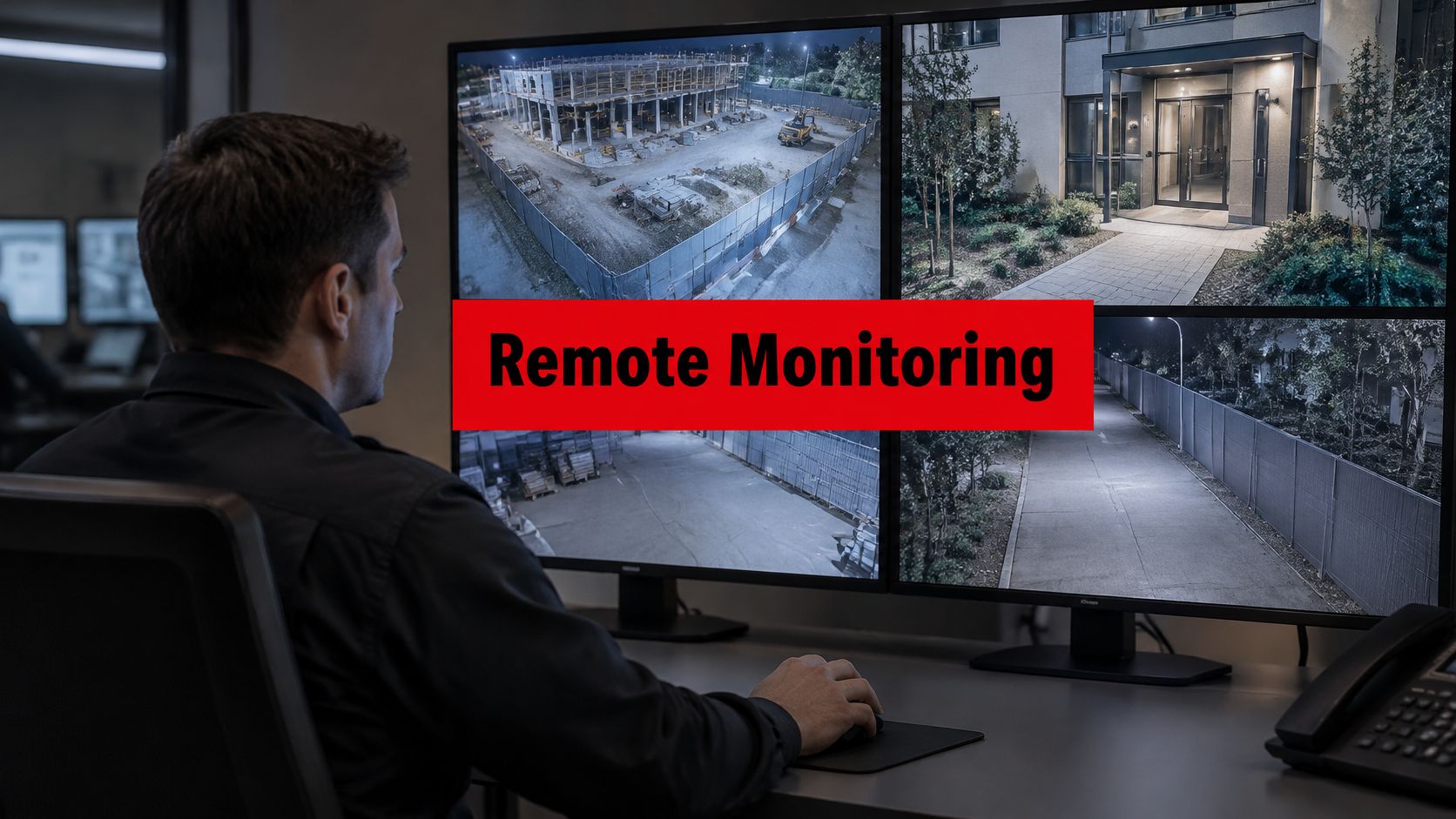
Overton combines security officers with GPS-enabled patrols, digital incident reports, and 24/7 SOC oversight. Managers can use these tools to check dispatch, field actions, escalation, and follow-up. Technology does not replace clear authority or an officer's assessment.
For commercial property security in San Jose, residential coverage in Sacramento, or construction security in Fresno, review the procedures against the actual site. A garage, loading yard, and high-rise lobby need different instructions. Contact Overton Security to discuss which gaps to address first.
Overton Security offers onsite officers, mobile patrols, customized post orders, digital incident reporting, and SOC-supported response coordination. Visit Overton Security to discuss your site's incident procedures, escalation contacts, and reporting needs.