
As a property manager, ensuring your residents feel safe is fundamental to building a community people are proud to call home. When it comes to apartment complex security, we're not just talking about better locks. It’s about creating a comprehensive, proactive system that fosters trust and makes your property a genuinely secure place to live.
A well-designed security plan does more than protect residents—it directly enhances your property's value and is a key factor in long-term tenant retention.
Building a Community Your Residents Can Trust
Your role as a property manager is measured by more than just occupancy rates and timely rent collection. It's measured by the confidence your residents have in their safety and the peace of mind they feel every day. A truly secure complex is one where residents aren't anxious in the parking garage or worried about who they might encounter in the hallway.
That feeling of safety is what turns a one-year lease into a five-year resident. It’s the foundation of tenant satisfaction and a powerful tool for reducing turnover. To achieve this, the approach must shift from reactive—waiting for an incident—to proactive, creating an environment where problems are far less likely to occur.
A Proactive Framework for Security
Effective apartment security is built in layers. There is no single piece of technology or a magic-bullet solution that solves every challenge. Instead, the best-protected properties weave together different strategies to create a security net that is both resilient and visible.
Think of it as a three-legged stool. If one leg is weak, the entire structure is unstable. The core legs of a robust security framework are:
- Smart Technology: This involves using modern tools like high-definition cameras and updated access control systems to monitor key areas and deter unauthorized individuals.
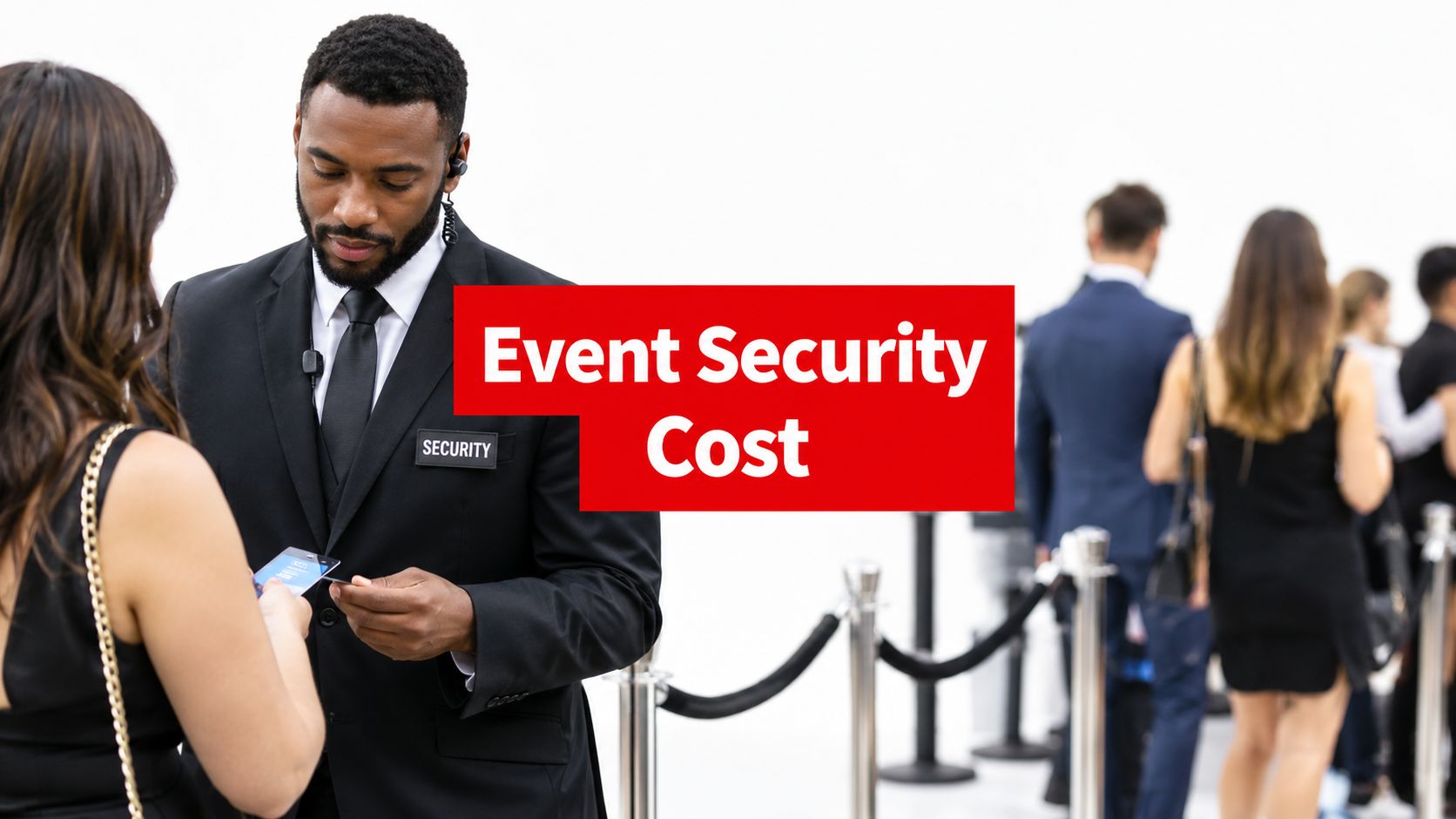
- Professional Human Presence: Technology can't replace human judgment. Trained security officers provide an authoritative presence, make sound decisions, and can respond immediately in ways technology cannot.
- Clear Operational Procedures: A clear playbook is essential. Having documented, easy-to-follow protocols for everything from visitor management and package handling to emergency response is non-negotiable.
Of course, creating a trustworthy community also means mastering the basics. Fulfilling a landlord's responsibility for ice removal, for example, is just as crucial to resident safety and peace of mind as a sophisticated camera system.
A proactive security plan is more than an expense; it's an investment in your property's reputation and financial health. The cost of preventing incidents is almost always lower than the cost of responding to them.
Viewed this way, security becomes a strategic component of property management, not just another line item on the budget. It's about creating a visible, effective security presence that gives residents confidence and protects your most valuable asset.
The Three Pillars of Effective Apartment Security
To build a truly resilient security plan, we need to think in layers. A lock on a door is a start, but a genuinely secure community is built on a framework where technology, people, and processes all work together. Let's demystify modern apartment complex security by breaking it down into three essential pillars.
This approach gives property managers a clear, actionable way to build a secure community from the ground up, moving beyond simple fixes to create a comprehensive safety net.
Pillar 1: Smart Technology Integration
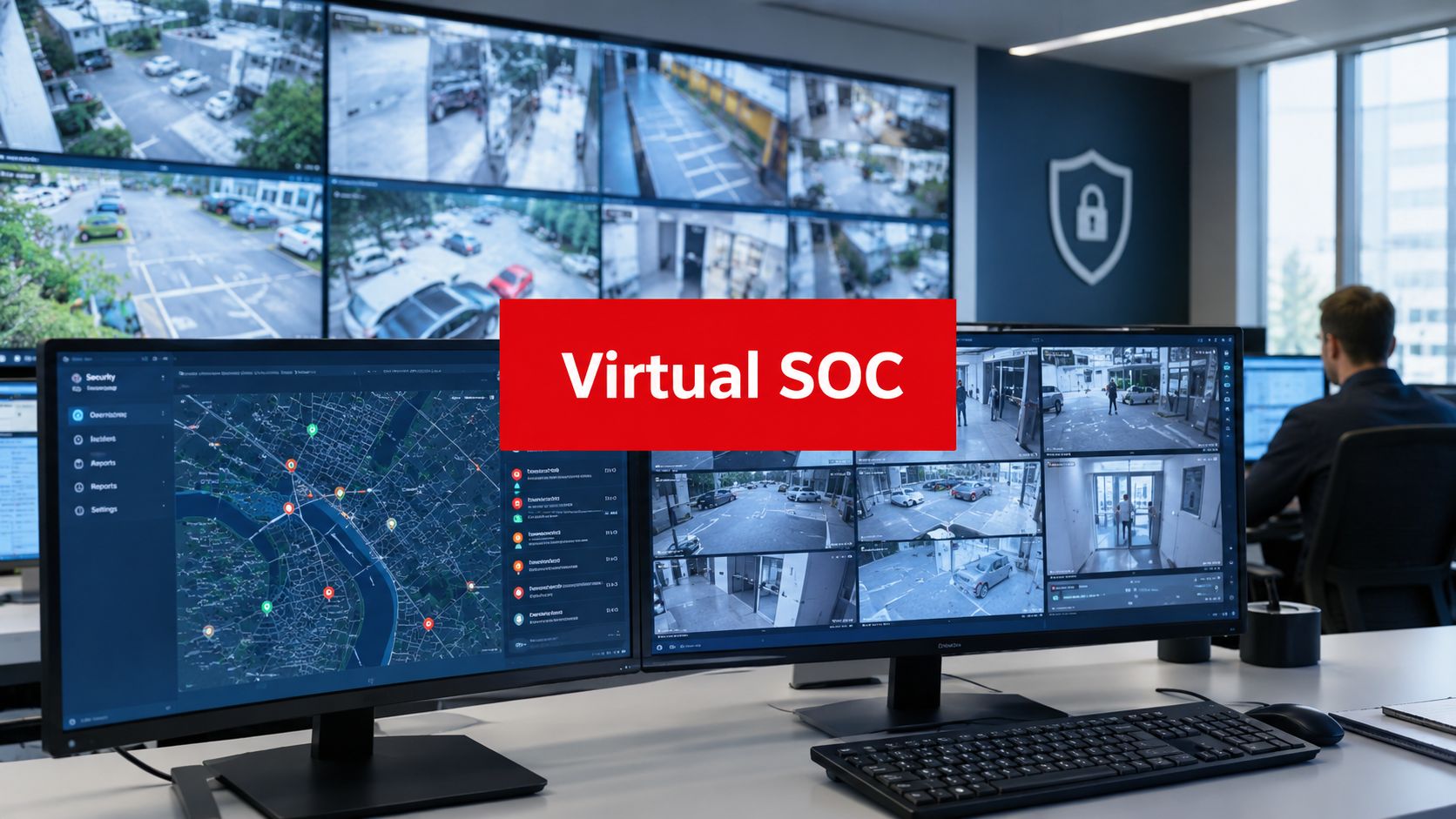
The first pillar is the strategic use of modern technology. Think of this as your 24/7 digital watchtower—an always-on first line of defense that discourages unwanted activity and documents everything that happens in key areas. It's the foundation that supports your human response and procedures.
This isn’t just about having cameras; it’s about using the right technology in the right places.
- High-Definition Surveillance: Modern cameras in lobbies, parking garages, and mailrooms are a powerful deterrent. Visible technology is a significant factor in resident satisfaction and a key feature that prospective tenants look for.
- Modern Access Control: Systems using key fobs, electronic cards, or mobile apps are critical for preventing unauthorized entry and "tailgating." They also provide a clear digital record of access—something traditional keys can't offer.
- License Plate Recognition (LPR): For communities with parking or gate concerns, LPR cameras add a sophisticated layer of protection. They capture objective vehicle evidence that can be invaluable for investigations.
Pillar 2: Professional Human Presence
While technology provides the eyes, a professional human presence provides the judgment, immediate response, and authoritative deterrence that cameras alone cannot. This pillar is all about placing trained individuals where they can make the biggest impact, acting as the hands and feet of your security program.
A human element is what turns a passive monitoring system into an active security operation.
A well-trained security officer is more than just a uniform; they are a community ambassador, a first responder, and a problem-solver. Their ability to de-escalate situations and make sound decisions in real-time is an irreplaceable asset.
This presence can take several forms, each designed for different needs and budgets:
- Onsite Guards: Ideal for controlling access at a primary entrance or lobby, an onsite officer provides a constant, visible security presence.
- Mobile Patrols: For larger properties, vehicle patrols are a cost-effective way to create a visible deterrent, covering multiple locations like parking areas, pools, and perimeter fences with noticeable, random checks.
- Concierge Security: In high-end residential buildings, these officers blend top-tier customer service with security protocols, elevating the resident experience while maintaining safety.
The diagram below shows how these pillars work together to create a secure community.

As you can see, a secure community is the ultimate goal, supported by the foundational elements of smart tech, human presence, and clear procedures.
Pillar 3: Proactive Operational Procedures
The final pillar is the one that ties everything together: proactive operational procedures. Your technology and personnel are only as effective as the plan directing them. This is the playbook that ensures consistency, professionalism, and clear actions, especially when an incident occurs.
Think of it as the "software" that runs your security program. It includes everything from daily routines to emergency protocols.
Strong procedures empower your team—whether it's an onsite officer or a property manager—to act decisively and correctly. Without them, even the best tech and people can fall short. A reputable security partner will work with you to develop and refine these critical documents, ensuring your plan is not just on paper but practiced and effective.
To bring it all together, this framework provides a structured way to think about your property's security. Each pillar supports the others, creating a robust and resilient safety plan.
The table below summarizes how each component contributes to a secure apartment community.
| Pillar | Key Components | Primary Goal |
|---|---|---|
| Smart Technology | HD Surveillance, Access Control, LPR Cameras, Smart Lighting | Deter, detect, and document activity 24/7 |
| Human Presence | Onsite Guards, Mobile Patrols, Concierge Security | Provide judgment, rapid response, and visible deterrence |
| Operational Procedures | SOPs, Post Orders, Incident Response Plans, Emergency Protocols | Ensure consistent, effective, and professional action |
By integrating these three pillars, you move from a reactive stance to a proactive one, building a security program that truly protects your residents and your property.
How Technology Lifts Both Safety and the Resident Experience

In today's rental market, smart technology isn't just a perk—it's a core expectation. Residents view features like controlled access and surveillance cameras as standard amenities that directly impact their quality of life. For property managers, this shift is a valuable opportunity to boost safety, increase resident satisfaction, and enhance property value simultaneously.
The key is to move beyond simply installing cameras and instead build an integrated technology ecosystem. A thoughtful approach to apartment complex security uses technology to create a visible, effective deterrent that provides genuine peace of mind for everyone.
Strategic Surveillance in High-Traffic Areas
Cameras are essential, but their true power comes from strategic placement. The objective is to cover high-risk and high-traffic locations where incidents are most likely to occur. This not only discourages potential wrongdoers but also provides crucial evidence should an investigation become necessary.
Consider these key locations for high-definition cameras:
- Lobbies and Main Entrances: Monitoring everyone who comes and goes is fundamental. This helps prevent unauthorized entry and documents all visitor traffic.
- Parking Garages and Lots: These areas are common targets for vehicle break-ins and theft. Well-placed cameras are a strong deterrent and can capture clear footage of individuals and license plates.
- Mailrooms and Package Centers: With the rise of e-commerce, package theft is a significant source of resident frustration. Dedicated cameras in these areas help protect deliveries and reduce disputes.
- Amenity Spaces: Your fitness center, pool, and community rooms are valuable assets. Surveillance helps ensure they are used safely and respectfully by residents and their guests.
Modern Access Control for Smarter Entry
The days of traditional metal keys, which are easily lost or copied, are fading. Modern access control systems offer a more secure, manageable way to control who enters your property and when. These systems provide property managers with precise control over access, a cornerstone of any solid security plan.
A key fob can be deactivated with a single click, but a lost physical key creates a lasting vulnerability. Modern access control closes this security gap, giving you real-time control over your property’s entry points.
These systems use electronic credentials like key fobs, access cards, or even a resident's smartphone to grant entry. This technology makes it simple to revoke access for a former tenant or a lost fob and creates a digital log of every use. This log is invaluable for investigating issues like "tailgating," where an unauthorized person follows a resident through a secured door. If you're considering an upgrade, our guide on apartment building access control systems offers a deeper look at these solutions.
Meeting—and Exceeding—Resident Expectations
The demand for tech-forward security is a fundamental shift in what renters value. Today’s residents are tech-savvy and place a high premium on safety features that integrate with their modern lifestyle. Many are willing to pay more for properties that offer these amenities.
Recent industry reports confirm this trend, showing that a majority of renters now expect security cameras in modern properties and are willing to pay a premium for them. The data highlights a particular interest in camera placement at entryways and in parking lots, underscoring the need for a thoughtful, strategic surveillance plan.
Implementing these technologies is a clear win-win. You meet a direct resident demand, which immediately increases your property's perceived value and often leads to better retention rates. For an overview of digital tools that can streamline operations while improving safety, check out this guide on the best property management apps. By thoughtfully integrating security technology, you can build a safer, more desirable community that stands out in a competitive market.
The Irreplaceable Value of Professional Security Officers

While technology is an exceptional tool, it has its limits. Cameras can record events, but they cannot exercise judgment or respond in the moment. That is where a professional security officer becomes essential—they are the human element that transforms a passive security setup into an active, thinking defense for your property.
For any property manager, engaging professional security officers is a significant decision, but their value extends far beyond a uniform on-site. Think of them as community ambassadors, first responders, and on-the-ground problem-solvers. Their ability to de-escalate a tense situation, assist a resident in need, or make a sound decision under pressure is an invaluable asset that protects your property and builds trust with the people who live there.
More Than Just a Uniform
A visible security presence is a powerful deterrent. The sight of a professional officer can make a potential package thief or loiterer reconsider their actions. An officer can do what a camera cannot: approach an individual, ask questions, and enforce your community's rules with a firm but professional demeanor.
That human judgment is critical in complex situations. An officer can instantly differentiate between a resident who is locked out and someone attempting to force entry. They can discern whether a noise complaint is a minor issue or a serious dispute requiring law enforcement.
A camera can record an incident, but an officer can prevent it. Their proactive presence and ability to intervene are what stop small issues from becoming major liabilities.
The apartment security guard market report reflects this understanding, showing consistent growth in demand for professional residential security services. Property managers recognize that a human presence is a vital component of a comprehensive security strategy.
Tailoring Human Presence to Your Property’s Needs
Not every apartment community requires a 24/7 guard in the lobby. The key is to implement the right solution for your specific needs. A trusted security partner will work with you to analyze your property's size, layout, risks, and budget to deploy officers where they will have the greatest impact.
Here are the most common ways to deploy officers in a residential setting:
- Onsite Security Guards: This is the gold standard for properties with a single point of entry or a busy lobby. An onsite guard serves as a constant gatekeeper and a familiar, reassuring face for residents. You can learn more in our guide on On-Site Security Guards.
- Mobile Vehicle Patrols: For large, sprawling communities with multiple buildings, mobile patrols are an effective and budget-conscious option. Officers in marked vehicles conduct random checks of parking lots, pools, and perimeters, creating an unpredictable and highly visible security presence.
- Concierge Security: Ideal for luxury high-rises, this premium service blends exceptional security with five-star hospitality. These officers manage the front desk, greet residents, and handle packages, all while discreetly maintaining security protocols.
When you partner with a company like Overton, you’re not just hiring a guard; you’re investing in a professional backed by 26 years of experience. We are committed to supporting our officers with competitive pay and career development, which allows us to maintain low turnover. This consistency means you get a dedicated team that becomes a true asset to your community, providing the peace of mind you and your residents deserve.
Building a Security Blueprint That Actually Fits Your Property
Effective apartment security is never one-size-fits-all. Applying a generic security package to your property is like using the same key for every door—it simply won't be effective. To truly protect your residents and your asset, you need a custom security blueprint designed for your community's specific layout, risks, and budget.
The process begins with a detailed risk assessment. This is a methodical search for weak points, not to create fear, but to gain a clear, fact-based understanding of your vulnerabilities. A reliable security partner can lead this process, but you can start by walking your property with a critical eye.
Start With an On-the-Ground Risk Assessment
Your first goal is to identify potential trouble spots before an incident occurs. Walk through every common area on your property and ask yourself: what would someone with ill intent see as an opportunity here? This initial walkthrough provides the intelligence needed to make smart, targeted security decisions.
Focus on these high-priority zones first:
- Parking Garages and Lots: Look for poor lighting, blind corners, and anywhere someone could hide. Are there clear sightlines from entrances to stairwells? Vehicle break-ins are a persistent issue, making this a critical area to secure.
- Entrances, Lobbies, and Gates: Observe how people enter and exit. Is "tailgating" (unauthorized individuals following a resident inside) a common problem? Are your main entry points well-lit and easily monitored?
- Mailrooms and Package Centers: Package theft is a primary source of resident frustration. Is your mail area in a secluded, unmonitored spot, or is it easily accessible to non-residents?
- Amenity Spaces: Examine your gym, pool, and community rooms. Are access rules clearly posted and consistently enforced? Are these spaces vulnerable after hours?
Once you have a list of potential weak spots, you can move on to prioritizing them.
Prioritizing Risks and Pinpointing the Right Solutions
Not all risks are equal, and your budget requires a focus on the most significant threats first. This is where your blueprint becomes an action plan. By matching specific solutions to the problems you've identified, you create a layered defense that is both effective and cost-efficient.
The best security plans address specific, identified risks—not just a vague sense of unease. This targeted approach maximizes your return on investment and delivers safety improvements your residents can actually feel.
Here are a few real-world examples of how this works:
- The Problem: Recurring Package Theft
- Vulnerability Identified: The mailroom is unmonitored and located in a low-traffic area.
- Custom Solution: Install a high-definition camera with a clear view of the package drop-off area. This can be layered with scheduled mobile patrols during peak delivery hours to create a strong, visible deterrent.
- The Problem: Unauthorized Gate Access ("Gate Crashing")
- Vulnerability Identified: A vehicle gate closes too slowly and lacks oversight.
- Custom Solution: Upgrade to a modern access control system. For an even stronger solution, consider posting a stationary security officer during peak evening hours (5 PM to 9 PM) to monitor traffic and prevent follow-throughs.
- The Problem: Loitering in Common Areas After Hours
- Vulnerability Identified: The pool and clubhouse areas have poor lighting, and amenity hours are not enforced.
- Custom Solution: Install motion-activated lighting. Then, schedule random, unpredictable vehicle patrols throughout the night. An officer can politely enforce community rules and ensure non-residents leave the property.
This step-by-step method empowers you to build a security plan that is both robust and practical for your property’s budget. At Overton Security, our 26 years of experience have shown that a plan built from a thorough, on-site assessment is the only way to deliver genuine peace of mind. Our hands-on managers work directly with you to analyze these risks and craft a blueprint that blends smart technology with the irreplaceable value of a professional officer presence.
How to Choose the Right Security Partner
Selecting a security provider is one of the most critical decisions a property manager makes. You aren't just hiring a guard; you are choosing a partner who will directly influence your residents' trust, your property's reputation, and your potential liability. You need a company that is invested in protecting your community, not just a vendor fulfilling a contract.
While it can be tempting to focus on the lowest hourly rate, this is often a shortsighted approach. A rock-bottom price can signal compromises in service quality, officer training, and overall reliability. A professional security partner is an investment in your property's stability and your residents' peace of mind.
Vetting Potential Security Providers
When evaluating companies, you need to know what to look for. Key indicators of quality and accountability should be at the top of your list.
Any legitimate provider must be able to produce proof of proper licensing and insurance without hesitation. This is a non-negotiable first step that protects your property from significant liability risks.
Next, inquire about their operational standards and how they support their officers. Ask directly about their hiring process, ongoing training programs, and officer retention rates. A company that invests in its people will deliver more consistent, professional service.
- Licensing and Insurance: Can they provide a current state license and proof of adequate liability insurance? This is the absolute minimum requirement.
- Officer Training and Support: How are their officers trained for the specific challenges of a residential community? Overton Security is committed to supporting our team with good pay and career paths, which helps us avoid the "burn and churn" cycle common in the industry. The result is more experienced, reliable officers at your property.
- Technology and Reporting: What accountability systems do they use? Look for partners who use GPS-enabled guard tour systems and provide detailed digital reports. This technology gives you transparent, time-stamped proof that patrols are being conducted as promised.
The Importance of a Low Manager-to-Client Ratio
Here’s a detail that reveals a great deal about a security company: their manager-to-client ratio. In this industry, it is common for account managers to be overloaded with dozens of clients, making personalized attention impossible.
A low manager-to-client ratio is a direct reflection of a company's commitment to service. It means your dedicated manager has the time to visit your property, understand its unique challenges, and build a real relationship with your team.
This hands-on approach is a cornerstone of our philosophy at Overton. With over 26 years of experience, we have learned that responsive leadership and direct communication are what separate a vendor from a true security partner. Choosing a provider with this structure ensures your community receives the attention it deserves.
Answers to Your Top Apartment Security Questions
As a property manager, you balance budgets, resident satisfaction, and the daily operational needs of your community. To help you make informed decisions, here are answers to some of the most common questions we hear about building an effective apartment complex security plan.
How Much Should I Budget For Apartment Security?
There is no single answer, as a security budget depends on your property’s size, location, specific risks, and the combination of services required.
The best starting point is a professional risk assessment. This analysis identifies your most critical vulnerabilities, allowing you to allocate funds where they will have the greatest impact. A reliable security partner can then work with you to develop a customized plan that provides effective coverage without exceeding your budget.
View security not as an expense, but as an investment in asset protection and resident retention. The costs associated with a single serious incident—from liability and property damage to a tarnished reputation—can easily surpass an entire year's security budget.
What Are The Most Important Areas To Cover With Security Cameras?
To maximize the value of your surveillance system, focus your cameras on high-traffic and high-risk zones. If you are just starting, prioritize these three areas:
- Entrances and Exits: This includes all building lobbies, pedestrian gates, and vehicle entry/exit points. Monitoring these areas is fundamental to documenting who is on your property.
- Parking Lots and Garages: These locations are common targets for vehicle break-ins and theft. Quality camera coverage here is one of the strongest deterrents you can implement.
- Common Amenity Areas: Pay close attention to mailrooms, package centers, fitness rooms, and pools. These shared spaces are often targets for theft, vandalism, or misuse.
Be transparent with residents about your camera policy. When cameras are placed strategically in public areas, you achieve maximum deterrence and gather crucial evidence while respecting personal privacy.
How Can I Improve Security Without A Large Budget?
You can make significant security improvements even with limited funds by focusing on cost-effective fundamentals first.
Start with lighting. A well-lit property is a far less attractive target for criminal activity. Enhance the lighting in all walkways, stairwells, and parking areas. Next, focus on the consistent enforcement of your existing community rules regarding visitors, amenity hours, and the use of common areas.
For a modest investment, mobile vehicle patrols can be incredibly effective. A single marked security vehicle conducting multiple, random visits creates a powerful visible deterrent. This provides residents with a strong sense of security at a fraction of the cost of a full-time, on-site guard. A flexible security partner can help design a patrol schedule that delivers maximum impact within a tighter budget.
At Overton Security, we’ve spent 26 years helping property managers answer these questions and build security plans that deliver genuine peace of mind. To start the conversation and get a custom assessment for your property, visit us at https://www.overtonsecurity.com.