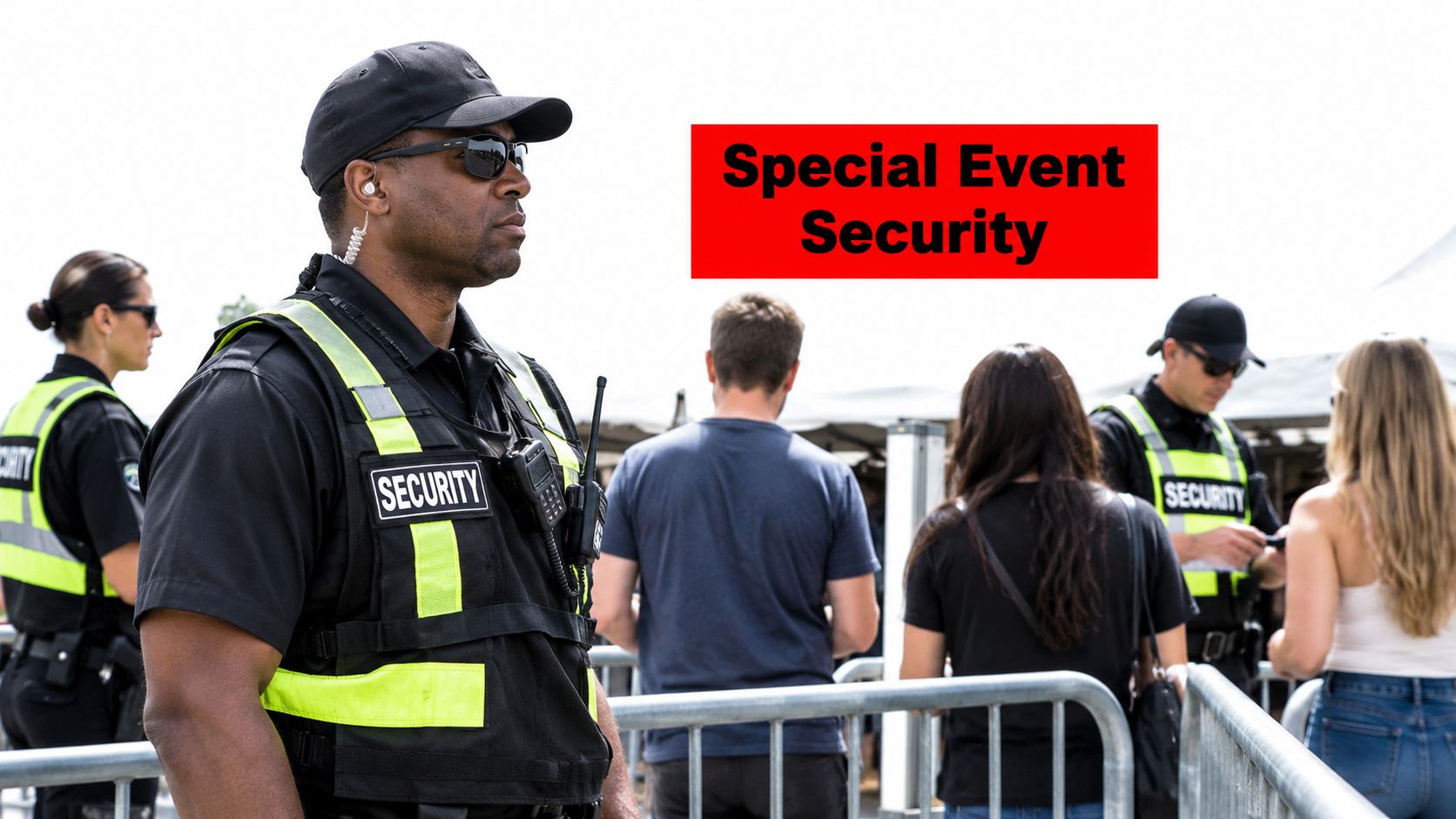

A disturbance starts in the lobby after midnight. The front desk calls for help, but the nearest officer is completing an exterior round, the camera operator sees only part of the interaction, and no one has clearly assigned authority to coordinate the response. The incident may end without further escalation, yet the property manager is left with the same uncomfortable question: was the hotel protected, or did the team just react?
That distinction matters. Hotel security guards protect more than doors and parking areas. They influence how guests experience the property, how staff handle emergencies, and how quickly management can understand what happened. A practical program combines visible personnel, disciplined patrols, trained judgment, reliable reporting, and technology that supports rather than replaces human coverage.
Why Hotel Security Guards Matter More Than Ever
Hotel managers routinely balance guest service, labor costs, liability, and operational continuity. Security sits in the middle of all four. An officer may be checking a parking structure, helping a guest who feels uncomfortable walking to a vehicle, responding to a noise complaint, or coordinating with the front desk about an unauthorized person on a guest floor.
A security program succeeds when those responsibilities are planned before the incident occurs. It fails when the hotel hires for a uniformed presence but never defines patrol routes, escalation authority, reporting standards, or communication with hotel leadership. Guests don't see those internal weaknesses until a problem exposes them.
The labor pool is substantial. In the United States, the broader security guard workforce included about 1,272,400 workers in 2024, while traveler accommodation accounted for 31,280 guards, or 1.69% of that workforce. Median annual pay for the occupation was reported at $38,370, and about 162,300 openings are projected per year, mostly because of turnover, according to U.S. security guard workforce and wage data. Hotel security isn't a fringe function. It draws from a large, recurring workforce that properties depend on to protect guests, employees, and assets.
A manager evaluating hotel safety and security practices should begin with the property's actual operating pattern. A downtown hotel with a public bar, event space, and structured parking needs a different post plan from a smaller limited-service property with fewer access points. The right question isn't how many guards to schedule. It's what the officer must accomplish during every hour of coverage.
The Evolving Role of Hotel Security Personnel
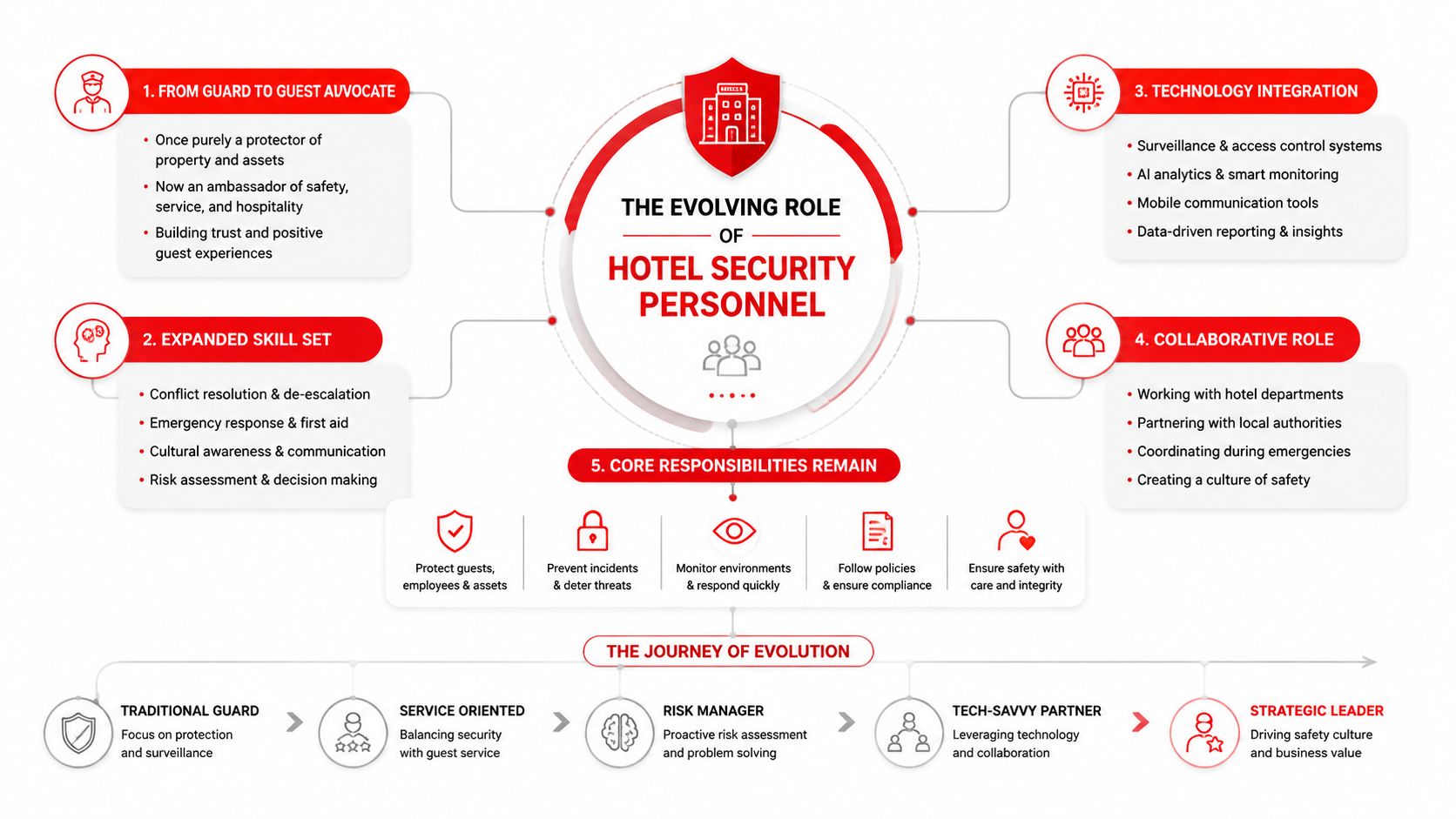
Hotels have used dedicated safety personnel for generations. Historically, some properties employed plainclothes “hotel detectives” or “house detectives,” a discreet model designed to identify problems without changing the guest atmosphere. Modern hotel security has moved toward a more formal and visible role, combining uniformed officers with surveillance, access control, emergency planning, and documented patrol activity.
That shift reflects guest expectations. One hotel-security summary reported that 68% of guests considered safety their top priority when choosing a hotel, while 77% said visible security personnel made them feel safer. The same summary reported an 85% increase in security staff alongside a 62% reduction in incidents when thorough measures, including surveillance and access control, were implemented. It also reported a 42% rise in emergency drills and increased collaboration between hotels and local law enforcement, with 82% of hotels collaborating more closely, as described in hotel security industry findings.
Visibility must serve a purpose
Managers often prioritize CCTV coverage, lift controls, and electronic locks because those systems are measurable and easy to include in a capital plan. Guests experience safety differently. They notice whether a uniformed officer is available, whether emergency lighting works, whether staff can explain what to do during an incident, and whether the hotel regularly tests its procedures.
This creates an operational design gap. A camera can record a disturbance, but it can't reassure a guest walking through a dim parking area. An access-control reader can deny entry, but it can't de-escalate an argument in the lobby. A visible officer can provide presence, communication, assistance, and judgment in the same interaction.
The modern standard is layered
Peer-reviewed research involving multiple hotels found that 15 of 34 crime-prevention strategies were statistically significantly associated with lower crime incidence. The strategies included available security staff, portable communication devices, security audits, and monitored and non-monitored cameras, according to the peer-reviewed hotel crime-prevention study.
The lesson is practical. Hotel security guards work best when the property gives them radios or other portable communication tools, defined inspection duties, reliable camera support, and a reporting process that management reviews. Headcount alone doesn't create a dependable safety experience.
Staffing Models and Patrol Cadences That Work
Staffing should begin with coverage objectives, not a generic ratio. Walk the property during the hours that create the most exposure, identify where an officer must be physically present, and then determine which duties can be supported by cameras, front-desk monitoring, or mobile patrols.
A useful design process has four parts:
- Map the property. Mark guest entrances, elevators, stairwells, parking areas, loading zones, event spaces, back-of-house doors, and perimeter weaknesses.
- Identify activity peaks. Review check-in periods, nightlife, banquet schedules, shift changes, and overnight staffing conditions.
- Separate fixed from mobile duties. A lobby post provides reassurance and immediate response. Patrols cover areas the lobby officer can't see.
- Build handoffs into the schedule. The incoming officer should receive incident information, equipment status, open concerns, and any temporary post changes.
The table below is a planning framework, not a universal staffing formula. Recommended guard counts should be validated through a site assessment, occupancy review, event calendar, and local risk conditions.
| Hotel Security Staffing Benchmarks by Property Type | Recommended Guard Count | Patrol Interval | Shift Structure |
|---|---|---|---|
| Boutique property | One visible officer during higher-activity periods, supplemented by scheduled mobile patrols | One to two hours when risk factors are limited, with tighter rounds where exposure is greater | Fixed lobby coverage paired with exterior and interior rounds |
| Full-service hotel | A dedicated lobby or response post, supported by additional coverage for parking, events, and overnight activity | One hour or less in higher-risk zones, with random variation | Overlapping coverage during peak periods and continuous overnight response capability |
| Resort property | Multiple posts or a coordinated team covering guest areas, parking, recreation spaces, and event operations | Risk-based rounds across separated zones, with more frequent checks in isolated areas | Zone assignments, event staffing, and mobile response coverage |
A hospitality security reference states that many hotels use one- or two-hour patrol intervals when no additional risk factors are present. It also explains that managers should consider local norms, legal risk tolerance, lighting, access-point count, crime exposure, and the controls already reducing an intruder's time on site. The hospitality security patrol guidance supports a risk-based schedule rather than a round frequency chosen for convenience.
Fixed rounds prevent omissions, random rounds prevent predictability
A fixed patrol schedule makes accountability easier. Officers know which checkpoints to visit, supervisors can audit completion, and managers can compare performance across shifts. Random timing matters because a pattern that never changes can create blind windows.
One hospitality patrol SOP specifies both fixed and random patrol times. During an eight-hour shift, it calls for at least four patrols by a Security Assistant and at least two by a Security Officer, with key points checked during each round, as detailed in the hotel security patrol SOP. Those figures should be treated as an operational reference, not a substitute for a property-specific assessment.
For managers refining coverage, security guard scheduling practices can help translate post orders, relief periods, patrol checkpoints, and shift handoffs into a workable schedule. The best schedule closes predictable gaps without exhausting officers through unnecessary movement.
Training Requirements and Certification Standards
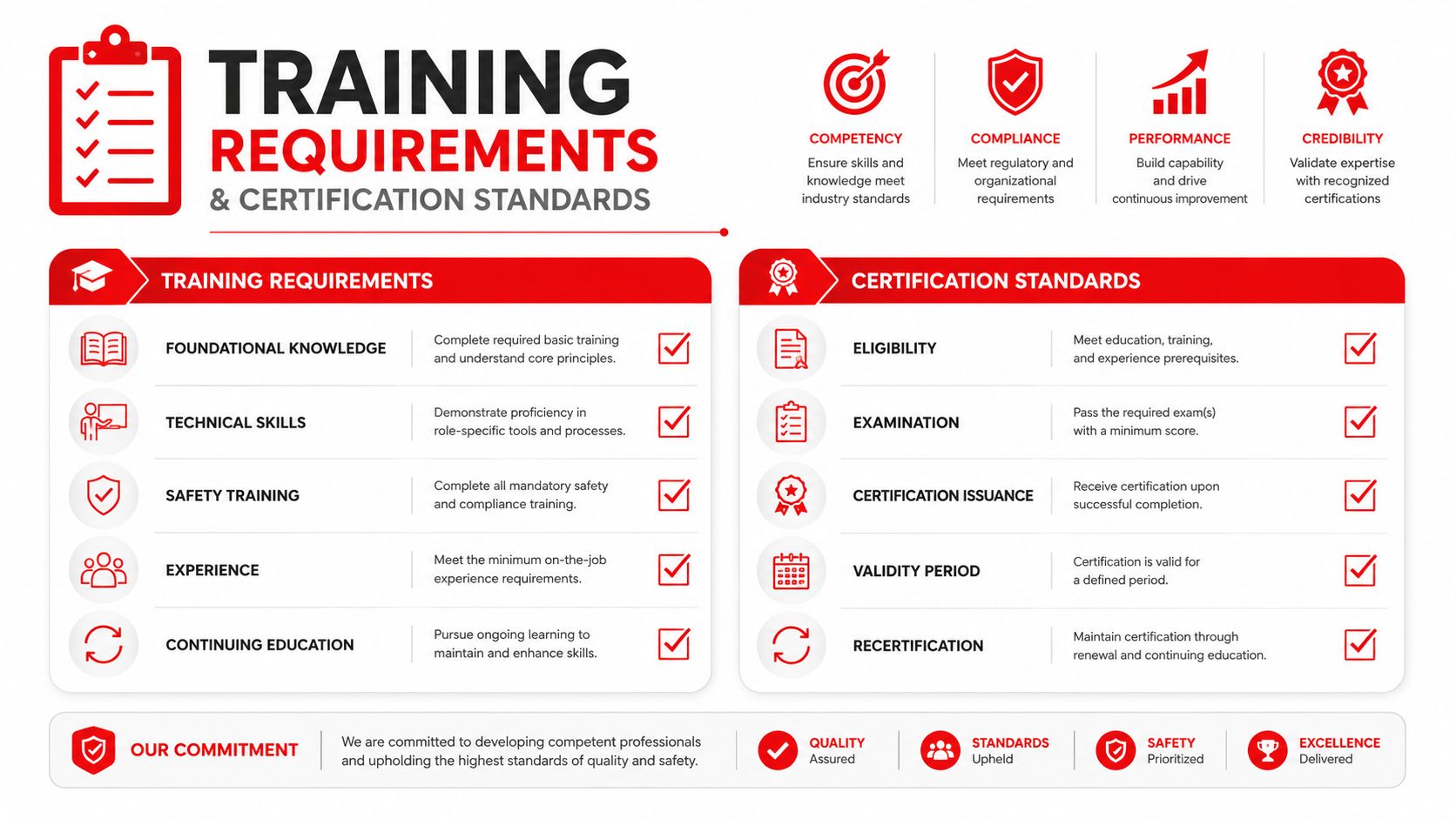
A hotel officer needs more than a license and a uniform. The job combines access control, observation, guest communication, emergency response, documentation, and conflict management. A vendor's training program should therefore be evaluated on two levels: legal compliance and hospitality readiness.
California provides a clear baseline. A security guard registrant must complete not less than 32 hours of training in security officer skills within six months of initial registration, with 16 hours completed within 30 days. California also requires an annual eight-hour refresher review or practice of security officer skills, as set out in California Business and Professions Code Section 7583.6.
Reporting duties also vary by jurisdiction. In Maryland, a guard must report any use of force against a person to the agency or employer within 48 hours, and the agency or employer must report it to the Secretary within 48 hours after receiving the form, according to Maryland use-of-force reporting law. California BSIS requires incident reporting within seven business days for specified incidents, including physical altercations, firearm discharge or use, and use of a deadly weapon while on duty, as explained in California BSIS incident-report requirements.
Compliance is the floor, not the finish line
Ask a vendor to show how officers learn the property, not just the state curriculum. Strong hotel-specific training should address:
- De-escalation: Officers need calm verbal techniques, positioning, listening skills, and clear escalation thresholds.
- Guest service: A uniformed officer should give directions, explain procedures, and respond to concerns without making ordinary guests feel treated as suspects.
- Emergency response: Training should cover evacuation support, medical calls, fire-watch responsibilities when applicable, and coordination with hotel leadership.
- Documentation: Reports should distinguish observed facts, statements, actions taken, notifications, and unresolved follow-up.
- Property familiarity: Officers should learn elevators, stairwells, restricted areas, key controls, camera views, emergency equipment, and parking routes.
Training depth also affects retention. One 2025 industry discussion cited annual frontline hospitality turnover above 70% and referenced an AHLA survey in which 56% of hotel employees experienced or witnessed harassment or safety threats at work, as reported in hotel employee safety and retention discussion. The broader guard occupation has 162,300 projected annual openings for 2024–2034, with openings driven mostly by turnover rather than employment growth, according to the earlier labor-market source.
A vendor that supports officers with supervision, development, and safe escalation practices is more likely to provide continuity than one that treats staffing as interchangeable coverage. Security officer training programs should be reviewed for both required instruction and the practical skills hotel officers use every shift.
Integrating Technology With Human Guard Coverage
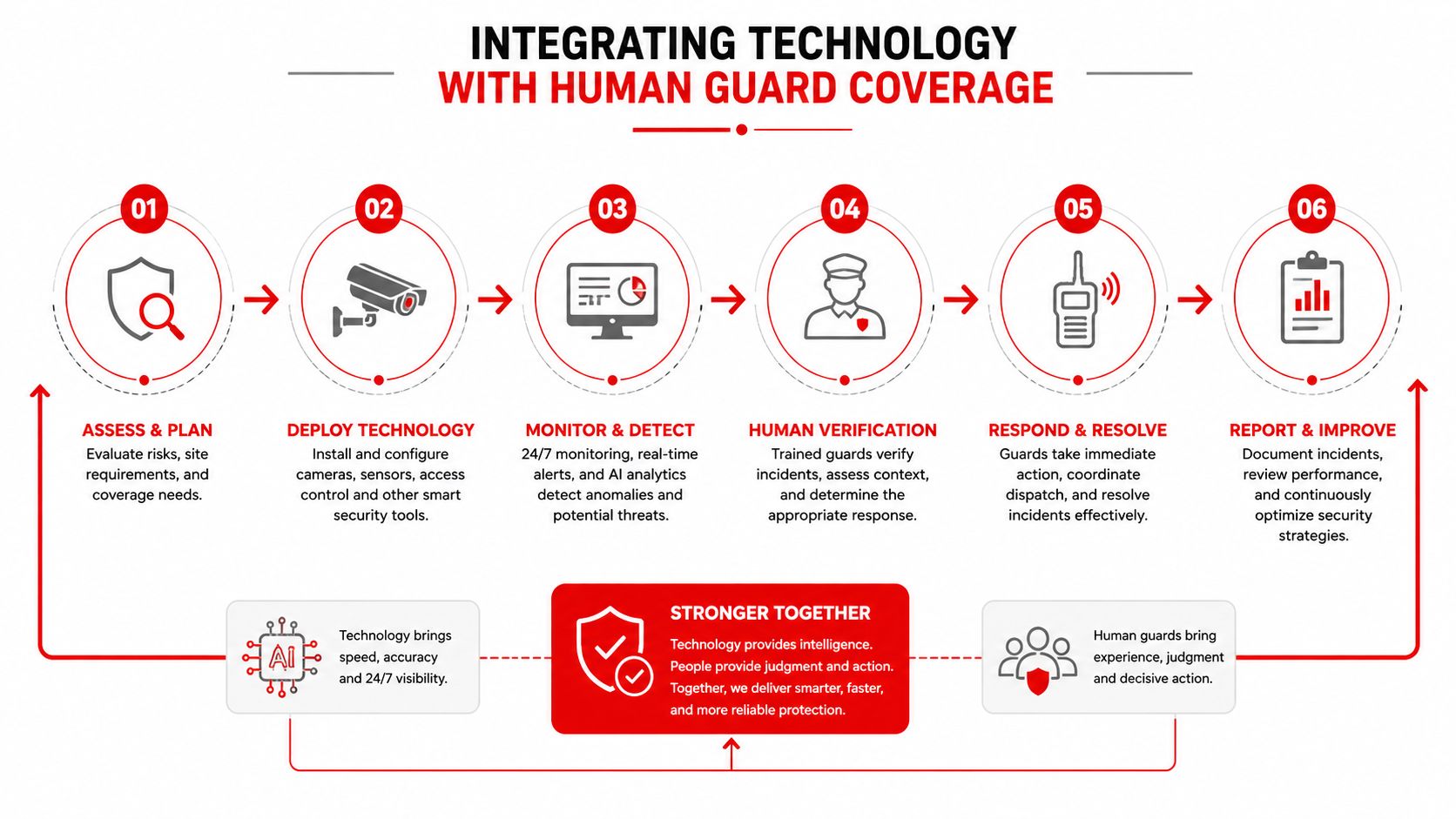
Technology should answer a field problem. GPS-enabled patrol tools verify that an officer reached the assigned checkpoint. Digital daily activity reports make handoffs and management review faster. A Security Operations Center can monitor alerts, support communications, conduct wellness checks, and escalate incidents when an officer needs assistance.
That combination is stronger than any single component. The peer-reviewed hotel study cited earlier connected lower crime incidence with integrated staff presence, communication devices, audits, and cameras. A camera sees broadly, a radio moves information quickly, and a guard interprets the situation and acts within the post orders.
Specify the workflow, not just the hardware
A security contract should state what happens after an alert or missed checkpoint. For example:
- A camera operator identifies suspicious activity near a parking entrance.
- The operator contacts the assigned officer through a portable communication device.
- The officer approaches using the property's response procedure.
- The officer documents observations, actions, photographs, and notifications digitally.
- A supervisor reviews the report and identifies whether a post-order or patrol adjustment is needed.
GPS verification doesn't prove that an officer performed a meaningful inspection. Management should pair location data with checkpoint questions, photos where appropriate, report quality reviews, and supervisor follow-up. Similarly, CCTV isn't a substitute for a visible lobby presence, a parking escort, or an officer who can speak with a distressed guest.
Hotels with large grounds or separated parking areas may also consider low-speed security carts for patrol mobility, equipment transport, and guest assistance. A Solana EV security cart overview offers context for evaluating cart capabilities alongside pedestrian rounds, vehicle patrols, and fixed posts. The equipment only adds value when the property defines where it will be used, who operates it, and how its patrol activity is documented.
Writing RFPs and Evaluating Security Vendors
A weak request for proposal asks for a guard and an hourly price. A useful RFP describes the operating problem in enough detail that vendors can propose comparable solutions.
Include a property map, operating hours, known trouble spots, event patterns, emergency contacts, access restrictions, and expectations for guest interaction. Specify whether the post requires an unarmed officer, mobile patrols, concierge-style conduct, parking escorts, surveillance support, or a supervisor with authority to adjust coverage.
Build accountability into the scope
Your RFP should require:
- Customized post orders: The vendor should write duties around your property, not paste generic instructions into the contract.
- Coverage verification: Require time-stamped patrol records, checkpoint evidence, missed-round alerts, and documented relief procedures.
- Incident reporting: Define notification thresholds, report deadlines, escalation contacts, and management access.
- Training documentation: Request proof of licensing, required state training, site orientation, de-escalation instruction, and emergency drills.
- Supervision: Ask how often supervisors visit, who reviews reports, and how quickly the vendor responds to performance concerns.
- Continuity planning: Require a process for absences, turnover, special events, and sudden risk changes.
| Security Vendor Evaluation Scorecard | What to Look For | Red Flags |
|---|---|---|
| Officer stability | Retention information, relief depth, and a plan for consistent assignments | Frequent substitutions with no handoff process |
| Management attention | A low manager-to-client ratio, site visits, and accessible leadership | One account manager handling too many properties |
| Technology transparency | GPS patrol verification, digital reports, photos, and 24/7 SOC support where appropriate | Reports arrive late or only after management asks |
| Hospitality fit | Guest-service standards, discreet communication, and de-escalation skills | Enforcement-first behavior in guest-facing areas |
| Contract flexibility | Post orders and patrols that can change with occupancy, events, and risk | Rigid schedules that ignore property conditions |
| Pricing clarity | Separate explanation of labor, supervision, equipment, and technology | A low hourly rate with vague exclusions |
Technology costs should be evaluated separately from guard services. Managers comparing camera options can review wired camera installation price scenarios as part of a broader capital-planning discussion, then ask each security vendor how installed systems will connect to patrol response and reporting.
Measuring Success With the Right KPIs
A patrol count can tell you that an officer scanned a checkpoint. It can't tell you whether the officer found a propped door, helped a guest reach a vehicle safely, or communicated a developing disturbance before it escalated.
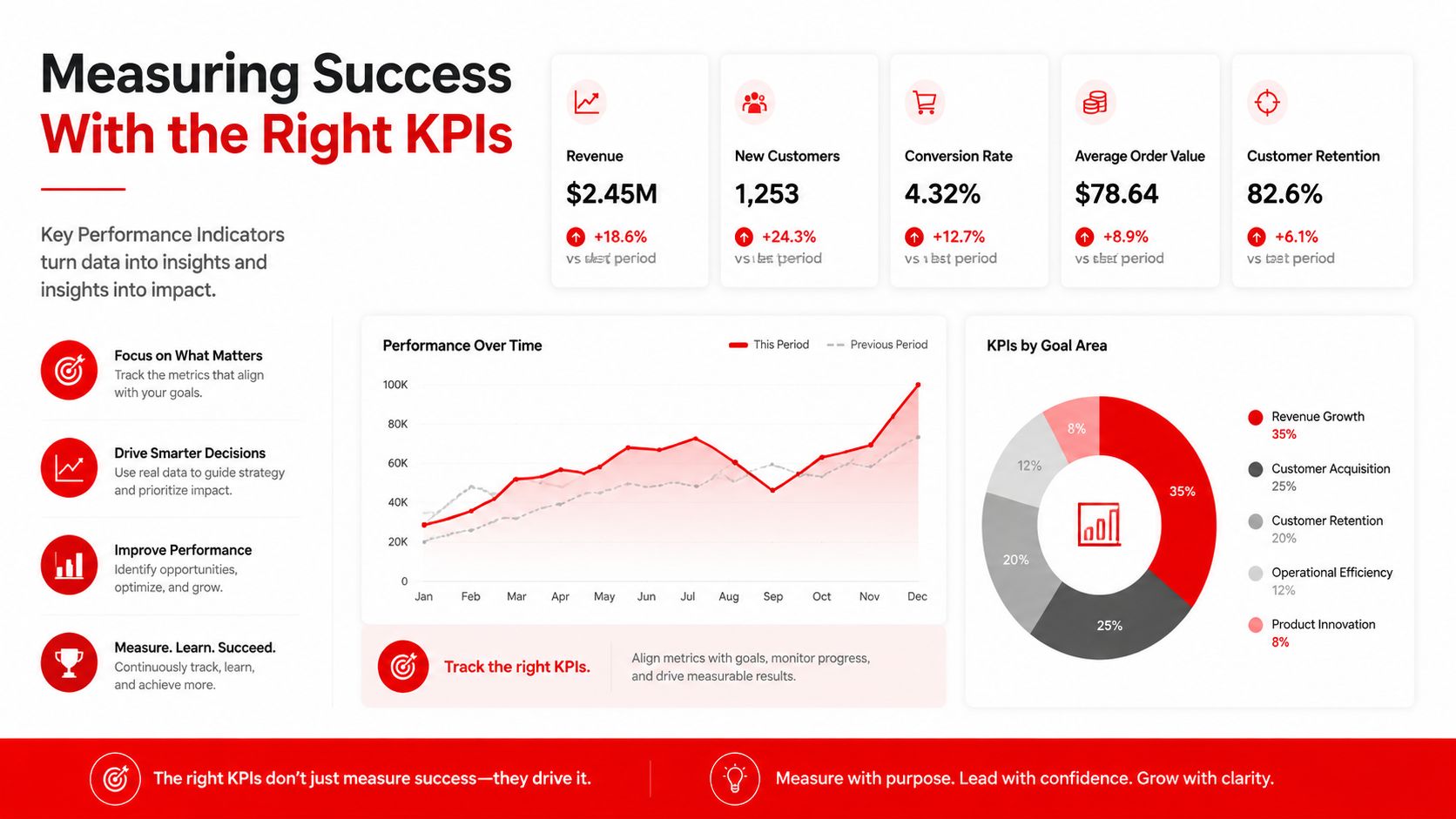
A useful hotel security dashboard combines operational, human, and guest-facing measures. Review trends by shift, location, event period, and officer team rather than relying on one monthly total.
A practical dashboard
| KPI | What to measure | Management question |
|---|---|---|
| Response performance | Time from call or alert to officer acknowledgement and arrival | Are delays concentrated in a particular zone or shift? |
| Patrol compliance | Completed rounds, verified checkpoints, exceptions, and supervisor review | Are officers following the plan, and does the plan still make sense? |
| Report quality | Timeliness, factual detail, photographs, notifications, and closure | Can leadership understand and act on the report? |
| Guest safety perception | Safety-related feedback, complaints, escort requests, and service observations | Do guests experience the visible presence as reassuring and helpful? |
| Training readiness | Current licenses, refreshers, drills, scenario exercises, and equipment checks | Can the team perform under pressure, not just pass onboarding? |
| Officer stability | Assignment continuity, absences, vacancies, and internal advancement | Are guests and hotel staff seeing a dependable team? |
| External coordination | Audits, law-enforcement communication, and follow-up on recurring problems | Is the property addressing patterns beyond individual incidents? |
Emergency drills are especially useful when management treats them as tests rather than ceremonies. The hotel should record who received the notification, which areas were checked, whether emergency lighting and communication tools worked, and what changed afterward.
Audits should also examine physical conditions. Review doors, lighting, cameras, elevators, key controls, parking routes, loading areas, and guest escort procedures. If reports show repeated issues near one entrance, do not ask officers to patrol harder. Change the lighting, access rule, camera view, staffing position, or patrol route that allows the problem to recur.
Building a Security Program That Lasts
Durable hotel security comes from alignment. Guests need to see and trust the safety features they rely on, while managers need evidence that coverage is being performed and improved. Uniformed officers, emergency lighting, tested systems, clear plans, and responsive supervision should work as one operating model.
Property managers can start with a focused review:
- Audit current patrol routes, timing, checkpoint quality, and shift handoffs.
- Compare guest-facing safety expectations with the features the property currently emphasizes.
- Rewrite post orders around actual hotel activity, including parking, events, guest floors, and back-of-house areas.
- Confirm licensing, required training, incident reporting, and refresher schedules for the jurisdiction.
- Add communication, digital reporting, GPS verification, and camera support where they solve a defined coverage gap.
- Review KPIs with ownership and hotel leadership, then adjust staffing based on evidence rather than habit.
The staffing challenge won't disappear by purchasing more technology. Formal training requirements may be limited in some roles, yet hotel officers still need communication, observation, stamina, judgment, and service awareness. A stable team with practical training and active supervision will usually contribute more than a larger roster of frequently changing officers.
Overton Security Services brings 26 years of experience to customized security programs, with a quality-over-quantity approach, a low manager-to-client ratio, hands-on leadership, GPS-enabled patrols, detailed digital reports, and 24/7 SOC oversight. For a hotel, that model can support uniformed onsite officers, mobile patrols, guest-facing safety duties, and technology-assisted accountability without forcing every property into the same coverage plan.
Visit Overton Security to discuss a hotel security program built around your property's layout, guest expectations, patrol needs, and staffing realities. Overton can help you assess onsite security officers, mobile patrols, digital reporting, GPS verification, and SOC support so your team can create visible, accountable protection that lasts.